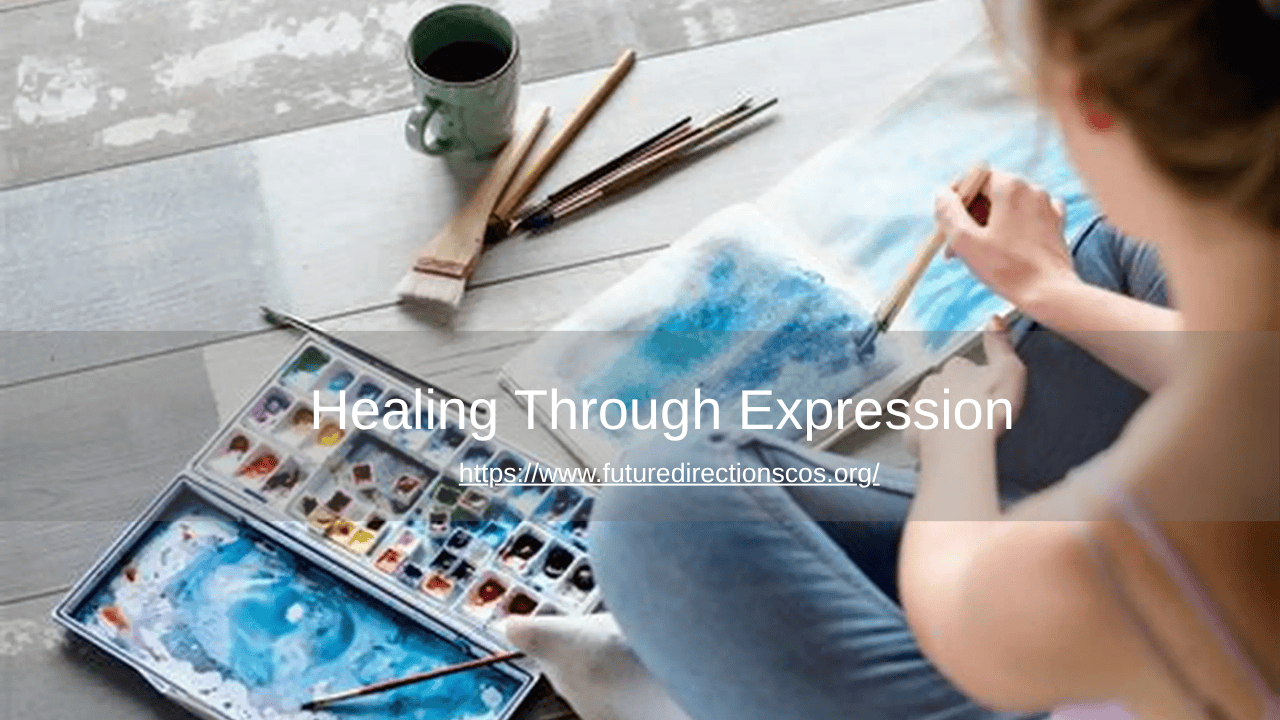
 Healing from addiction and mental health challenges often requires more than talk therapy and medication. True recovery involves reconnecting with oneself, finding purpose, and rediscovering joy in everyday life. At Future Directions, creative expression is viewed as one of the most powerful ways to achieve that healing. By integrating creativity into recovery programs, individuals can unlock emotions, rebuild confidence, and cultivate a deep sense of inner peace.
The Connection Between Creativity and Healing
Art, music, dance, and writing have long been used to help people process emotions and trauma. Creativity allows the mind to communicate what words cannot. For someone struggling with depression, anxiety, or addiction, expressive therapies can bridge the gap between pain and healing.
When individuals engage in creative activities, the brain releases dopamine — the same “feel-good” chemical that is often depleted during addiction. This natural release helps restore motivation, mood balance, and mental clarity. Over time, creative practices can help rewire the brain’s reward system, supporting long-term emotional recovery.
How Creative Expression Supports Addiction and Mental Health Treatment
Creative therapy provides more than just emotional release; it builds critical life skills that enhance recovery outcomes.
1. Emotional regulation and stress relief
Art and music therapy provide safe, nonverbal outlets for emotions that may be too overwhelming to articulate. Painting, for example, can calm the nervous system and help individuals process anxiety or grief without judgment.
2. Building self-awareness and confidence
Through creative expression, individuals begin to understand their emotional patterns and triggers. This self-awareness fosters empowerment and personal growth, both essential for maintaining sobriety and mental stability.
3. Strengthening community and connection
Group creative sessions promote connection and empathy. When participants share their stories or artwork, they realize they are not alone in their struggles, reinforcing a sense of belonging — a key factor in sustainable recovery.
A Holistic Approach to Recovery
At Future Directions, healing is not one-size-fits-all. Their faith-based and individualized approach recognizes the importance of addressing the whole person — mind, body, and spirit. Integrating creative modalities such as art, music, and movement into therapy complements traditional counseling and medical support. This holistic method helps clients engage both their logical and emotional minds, leading to deeper, lasting change.
Finding Balance Through Expression
Creativity is not about artistic skill; it is about authenticity. Whether someone writes poetry, sculpts clay, or plays an instrument, the act of creation itself brings emotional balance and clarity. Over time, this process helps individuals rebuild their identity beyond addiction or illness, giving them the tools to live with purpose and peace.
Conclusion
Healing through creativity reminds us that recovery is more than overcoming addiction or managing symptoms — it is about rediscovering life’s beauty. By embracing expressive therapies, individuals can reconnect with their emotions, strengthen their mental health, and find balance within themselves.
If you or someone you love is seeking a compassionate path to recovery, Future Directions offers holistic, faith-based care that nurtures both mind and spirit. Visit Future Directions Counseling and Recovery Services to learn how creative healing can help you or your loved one begin the journey toward lasting wellness.