 Recovery takes effort. There may be treatment appointments to attend, responsibilities to rebuild, relationships to repair, and new coping skills to practice. While these steps are important, focusing on recovery tasks every day can sometimes leave people feeling emotionally exhausted. When life becomes a constant effort to stay on track, it is easy to lose sight of the enjoyment, curiosity, and personal interests that make life meaningful.
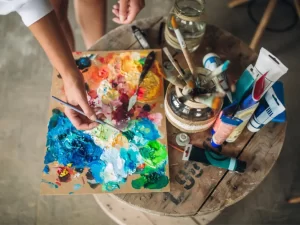
Creative hobbies can help restore that balance. Activities such as painting, gardening, cooking, photography, music, and writing offer opportunities to relax, express emotions, and experience satisfaction without focusing on performance. They can also help individuals develop an identity beyond addiction. When included in a personalized recovery plan, enjoyable creative activities may support emotional wellness and help reduce the risk of feeling overwhelmed by the demands of recovery.
At Future Directions COS, creative approaches to mental health and addiction recognize that recovery involves more than addressing substance use. It also means creating a life that supports personal growth, emotional stability, and meaningful experiences.
Understanding Burnout During Addiction Recovery
Burnout is often associated with demanding jobs, but emotional exhaustion can develop in other areas of life. During addiction recovery, individuals may experience pressure from multiple directions. They are learning new ways to manage stress while adjusting to changes in relationships, routines, responsibilities, and personal expectations.
Recovery itself is not the problem. However, trying to manage every challenge without enough rest, support, or enjoyable activities can make the process feel overwhelming.
Recognize the Signs of Emotional Exhaustion
Recovery-related burnout can appear in different ways. Some people feel constantly tired, even after resting. Others lose interest in activities they previously enjoyed or become frustrated by responsibilities that once seemed manageable.
Possible warning signs include:
- Feeling emotionally drained or unusually irritable.
- Losing interest in hobbies, friendships, or everyday activities.
- Struggling to concentrate or make decisions.
- Feeling guilty whenever you take time to relax.
- Becoming discouraged when progress seems slower than expected.
- Withdrawing from supportive people or activities.
- Feeling that recovery has become another source of constant pressure.
These experiences do not automatically mean someone is experiencing clinical burnout or another mental health condition. Persistent exhaustion, low mood, anxiety, and loss of interest deserve attention from a qualified professional, especially when they interfere with daily life or threaten sobriety.
Understand Why Recovery Needs Room for Enjoyment
People sometimes approach recovery with an intense focus on avoiding mistakes. They may spend much of their time monitoring their behavior, managing triggers, attending appointments, and meeting personal goals.
Although structure and accountability are valuable, a life built entirely around obligations can become difficult to sustain. Enjoyment is not a distraction from recovery. It is part of building a fulfilling life that supports long-term well-being.
Creative hobbies provide an opportunity to experience something positive without making every activity a measure of personal progress.
How Creative Hobbies Can Help Prevent Recovery Burnout
Creative activities offer more than a way to fill spare time. They can provide emotional outlets, encourage healthy breaks, and introduce experiences that bring satisfaction to everyday life.
Give Your Mind a Break Through Creative Expression
When daily responsibilities feel overwhelming, the mind can become caught in repetitive thoughts about problems, expectations, and future concerns. Creative activities offer a different focus.
Painting, sketching, photography, and writing encourage attention toward an activity happening in the present. Instead of repeatedly thinking about everything that needs to be done, you can concentrate on choosing colors, arranging an image, or developing an idea.
You do not need to produce anything impressive. The value comes from participating in an activity that interests you.
For example, try spending fifteen minutes drawing an object in your home or taking photographs during a quiet walk. Allow yourself to enjoy the process without judging the result.
Rediscover Activities That Bring Genuine Pleasure
Addiction can gradually push personal interests aside. Hobbies that once provided enjoyment may have disappeared from daily life, leaving little room for activities that are simply fun.
Recovery offers an opportunity to rediscover those interests or explore something entirely new.
Think about activities you enjoyed before substance use became a major part of your life. Perhaps you liked cooking, playing an instrument, working with plants, building things, or writing stories. You can also experiment with interests you have never tried.
The important distinction is between choosing something because you genuinely enjoy it and choosing something because you feel obligated to become good at it.
A hobby should not become another demanding project. Give yourself permission to be a beginner.
Create Positive Experiences Outside Treatment and Responsibilities
Treatment appointments, support meetings, work, and family responsibilities may take up much of your schedule. Creative hobbies introduce experiences that are separate from these obligations.
For instance, tending a small garden can provide a peaceful activity at the end of the day. Learning a simple recipe can make an ordinary evening more enjoyable. Playing music for personal pleasure can offer a welcome change from routine tasks.
These experiences help create a broader daily life. Recovery remains important, but it does not have to become the only subject that receives your attention.
Creative Hobbies That Can Bring More Joy Into Everyday Life
There is no universal hobby that works for everyone. The best choice depends on your interests, energy, available resources, and recovery needs.
Consider starting with one of these accessible activities.
Gardening and Caring for Plants
Gardening offers a practical way to spend time outdoors and care for something over time. You might grow herbs on a windowsill, maintain a few houseplants, or create a small outdoor garden.
The activity encourages patience and attention. It also provides a visible reminder that growth happens gradually.
You do not need a large space or extensive experience. Begin with one easy-to-care-for plant and see whether the activity feels enjoyable.
Cooking and Experimenting With New Recipes
Cooking can turn an everyday responsibility into an opportunity for creativity. Try preparing a new dish, experimenting with ingredients, or learning a cooking technique.
You can make the experience more enjoyable by choosing music, organizing your ingredients, and allowing enough time to work without rushing.
Cooking with someone you trust can also create opportunities for positive social connection.
Music and Creative Movement
Music can offer enjoyment, emotional expression, and a sense of personal connection. You might learn a few chords on an instrument, explore different musical styles, create playlists, or simply set aside time to listen without distractions.
Dancing or other forms of creative movement may also provide an enjoyable way to become more active.
Pay attention to personal associations with particular songs or environments. If an activity brings up distressing memories or increases cravings, choose an alternative that better supports your recovery.
Photography, Crafts, and Personal Projects
Photography encourages you to notice details in ordinary surroundings. Crafts provide opportunities to work with your hands and experiment with materials. Simple personal projects, such as decorating a room or creating a scrapbook, can also offer satisfaction.
Choose projects that match your current energy and budget. Completing a small activity can be more rewarding than starting something complicated that creates additional pressure.
Make Enjoyment Part of a Balanced Recovery Routine
Creative hobbies can be helpful, but their benefits depend partly on how they fit into everyday life. If you turn every hobby into a strict goal, you may recreate the same pressure that contributed to exhaustion.
A balanced routine leaves room for responsibilities, treatment, rest, relationships, and enjoyable experiences.
Schedule Time for Activities Without Setting Performance Goals
Consider setting aside a small amount of time each week for something you enjoy. You might reserve Saturday morning for gardening or spend a few evenings working on a creative project.
Keep the commitment flexible. If you miss a session, do not treat it as a failure. Return to the activity when you have time and energy.
Avoid setting goals based on how much you produce. Instead of deciding to finish an entire painting, for example, focus on enjoying a short period of creative work.
Learn When Rest Is More Important Than Activity
Not every difficult day requires another task or coping exercise. Sometimes the healthiest choice is to rest.
Creative hobbies should support recovery, not become a way to avoid exhaustion or ignore your physical needs. If you are tired, give yourself permission to take a break. You can return to your hobby when you feel ready.
Rest, sleep, nutrition, physical activity, and appropriate mental health care all contribute to overall well-being.
Protect Time for Relationships and Personal Interests
Recovery often involves rebuilding social connections and establishing healthier boundaries. Creative activities can make it easier to spend meaningful time with supportive people.
You could attend a beginner art class, visit a local garden, cook with a family member, or join a community group centered on an interest you share.
At the same time, avoid filling every free moment with social commitments. A healthy balance includes time with others and time for yourself.
Connect Creative Expression With Individualized Addiction Treatment
Creative hobbies can support emotional wellness, but they cannot replace professional addiction treatment or mental health care. Burnout may sometimes be connected to depression, anxiety, trauma, unresolved stress, or other concerns that require qualified support.
Choose Treatment That Reflects Your Needs
People experience addiction and recovery differently. Some individuals may need structured inpatient care, while others may benefit from outpatient treatment or continuing support. The appropriate level of care depends on personal circumstances and professional assessment.
An individualized treatment approach considers more than substance use. It may also address mental health, relationships, emotional coping, physical well-being, and the challenges that affect everyday life.
Creative interests can complement this work. For example, someone who enjoys writing may use journaling to reflect on emotional patterns, while another person may find gardening or music helpful as part of a balanced routine.
Discussing these interests with a counselor or treatment professional can help you identify activities that fit your goals and circumstances.
Make Space for Faith, Values, and Personal Meaning
For some individuals, faith and spirituality are important sources of strength during recovery. Creative practices such as prayer journaling, reflective writing, inspirational music, or meaningful artwork may provide opportunities to reconnect with personal values.
Others may find meaning through nature, family activities, volunteering, or learning new skills.
There is no single definition of a fulfilling recovery. The goal is to build a life that reflects what matters to you while maintaining the professional support and healthy habits that protect your well-being.
Know When Burnout Requires Additional Support
Creative hobbies may help make everyday life more enjoyable, but they are not enough to address every form of emotional exhaustion.
If you experience persistent sadness, loss of interest, severe anxiety, sleep difficulties, overwhelming stress, or increasing cravings, speak with a qualified mental health or addiction treatment professional.
It is especially important to seek support if exhaustion makes it difficult to attend treatment, maintain healthy routines, or manage situations associated with substance use.
You do not need to wait until you reach a crisis before asking for help. A treatment professional can help you understand what is contributing to your experience and determine whether your recovery plan needs adjustment.
Conclusion: Make Room for Joy as You Build a Healthier Life
Recovery requires commitment, but it should also create opportunities for enjoyment, discovery, and personal fulfillment. Creative hobbies can help bring those experiences back into everyday life. Whether you choose gardening, music, cooking, photography, crafts, or writing, an enjoyable activity can provide a healthy break from daily pressures and remind you that your identity extends beyond addiction.
Start small. Choose something that interests you, release the pressure to perform, and give yourself permission to enjoy the process. Balance creative activities with rest, supportive relationships, and appropriate professional care.
Future Directions COS recognizes the value of creative approaches to addiction and mental health. If recovery has begun to feel exhausting or you are struggling to find balance, consider reaching out to explore support that reflects your individual needs. You deserve more than a routine built around avoiding setbacks. With appropriate care and room for meaningful experiences, you can work toward a life that includes stability, purpose, connection, and joy.
 Addiction can place significant strain on relationships. Trust may be damaged, communication can become difficult, and family members or friends may feel uncertain about how to move forward. Even after someone begins recovery, rebuilding these connections takes time, patience, and consistent effort. Creativity can offer a meaningful way to begin that process. Through shared activities such as cooking, music, art, gardening, photography, and writing, individuals in recovery can create positive experiences with others while developing healthier ways to communicate and connect.