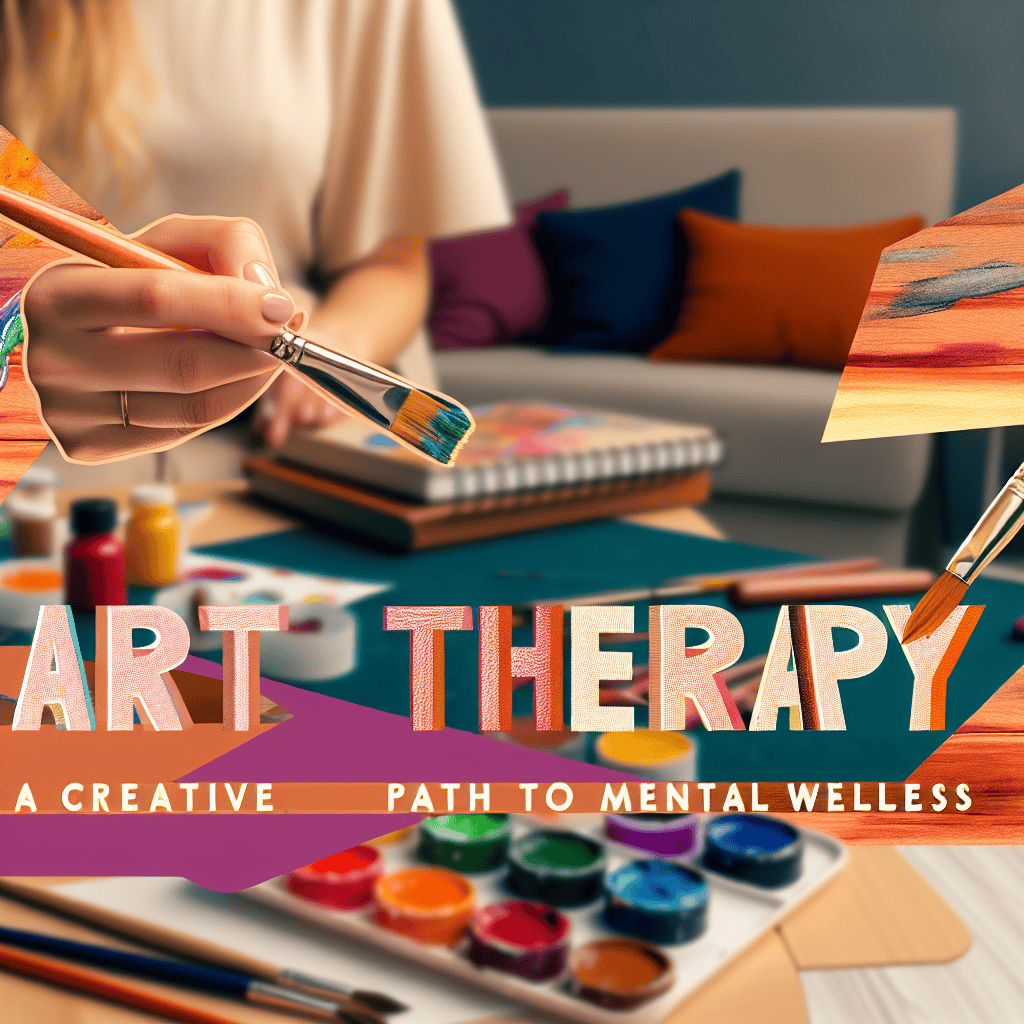
 Recovery from addiction and mental health challenges is a journey that requires more than traditional therapy. While counseling and clinical treatment are essential, incorporating creative practices such as music, writing, and art can provide powerful tools for emotional processing, self-expression, and lasting healing. At Future Directions COS, we take a holistic, client-centered approach that integrates creative therapies with evidence-based treatment to support comprehensive recovery and mental wellness.
Why Creativity Matters in Recovery
Creative expression engages the mind and body in ways that traditional talk therapy alone may not. Artistic activities stimulate the brain, reduce stress, improve emotional regulation, and enhance self-awareness. Studies show that expressive therapies can decrease symptoms of anxiety, depression, and trauma while supporting long-term resilience. For individuals navigating co-occurring disorders, these practices complement clinical interventions and foster meaningful growth beyond the therapy room.
Music Therapy: Healing Through Sound
Music therapy uses melody, rhythm, and song to promote emotional balance and self-expression. Clients may listen to therapeutic music, create original compositions, or participate in group sessions. Music can help release emotions, manage stress, and cultivate mindfulness. In recovery programs, music also provides opportunities for social connection, building a sense of community that is essential for sustained emotional wellness.
Art Therapy: Visualizing Emotions
Art therapy allows individuals to externalize their feelings through painting, drawing, sculpture, or other visual media. This creative outlet encourages self-reflection and offers a safe way to explore complex emotions, uncover patterns, and process past trauma. At Future Directions COS, art therapy is offered in both inpatient and outpatient settings, allowing clients to develop coping skills while expressing themselves in a nonjudgmental, supportive environment.
Writing and Journaling: Reflective Self-Discovery
Writing provides a reflective space to explore thoughts, feelings, and experiences. Journaling helps clients track progress, identify triggers, and understand patterns of behavior. Guided writing exercises strengthen coping skills, enhance mindfulness, and foster personal insight. By translating emotions into words, clients can gain clarity and build emotional resilience, supporting both recovery and mental health.
Integrating Creativity with Holistic and Faith-Based Care
At Future Directions COS, creative practices are part of a broader, holistic approach that addresses the mind, body, and spirit. Faith-based principles can be incorporated when desired by the client, adding personal meaning and purpose to the recovery process. Whether through reflective art, meditative writing, or music as a spiritual tool, creative therapies strengthen coping skills, reduce stress, and enhance overall well-being.
Practical Tips for Incorporating Creativity in Recovery
Even outside structured therapy sessions, creative practices can be powerful tools for daily recovery:
-
Dedicate time each day to music, art, or journaling
-
Join group creative workshops to foster peer connection and support
-
Use creative outlets as coping strategies during stressful moments or cravings
-
Explore multiple forms of creative expression to find the one that resonates personally
Small, consistent creative practices can significantly enhance emotional wellness, complementing the skills learned in clinical care.
The Power of Creativity in Healing
The path to emotional wellness and addiction recovery is strengthened when creativity becomes part of the journey. Music, writing, and art provide practical tools for self-expression, coping, and personal insight. At Future Directions COS, we combine compassionate, individualized care with creative therapies to support holistic healing and long-term recovery.
If you or a loved one are seeking a recovery program that integrates professional mental health treatment with creative, client-centered support, reach out to Future Directions COS today. Explore how the creative path can strengthen your emotional well-being, foster resilience, and guide you toward lasting recovery.
 Recovery from addiction and mental health challenges is a complex journey that requires more than traditional therapy alone. While counseling and medical treatment provide essential guidance, creative approaches like art therapy offer unique benefits. At Future Directions COS, we combine evidence-based treatment with holistic, client-centered strategies that include art, music, and other forms of creative expression. These methods support emotional healing, build coping skills, and promote lasting recovery.
 Recovery from addiction and mental health challenges is a deeply personal journey. While therapy and medical treatment provide essential support, incorporating creativity into care plans can significantly enhance healing. Art, music, writing, and other expressive practices help individuals process emotions, manage stress, and build resilience. At Future Directions COS, we integrate creative therapies into our individualized, holistic programs to provide clients with tools that complement clinical treatment and support lasting recovery.
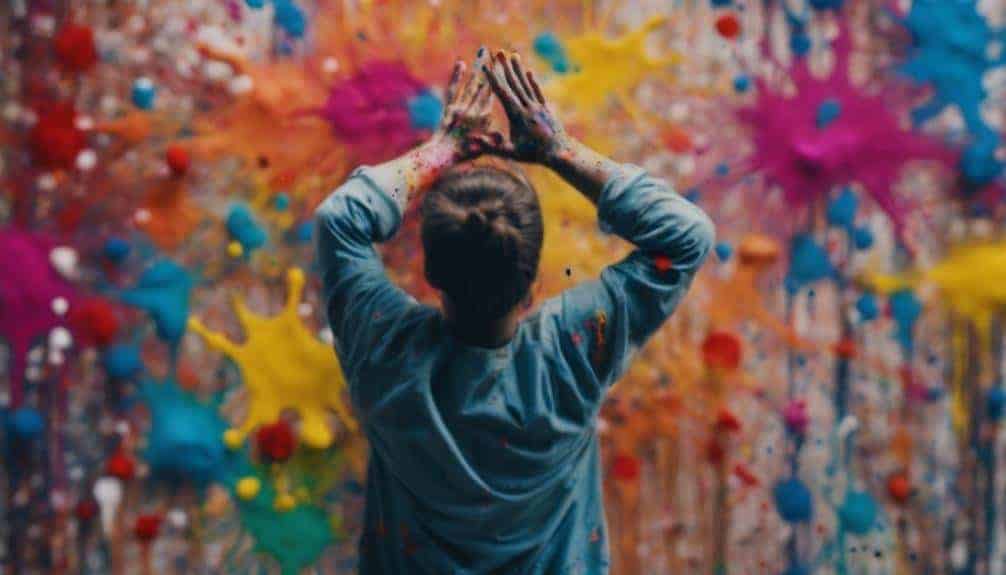 Recovery from addiction and mental health challenges is a journey that often requires more than traditional therapy alone. Many individuals find that creative practices such as art, music, and writing provide essential tools for emotional processing, stress management, and personal growth. At Future Directions COS, we embrace a holistic, client-centered approach, combining evidence-based treatment with creative expression to support long-term recovery and mental wellness.