
Breaking Free: Nontraditional Recovery Tools That Actually Work

Addiction recovery is not a one-size-fits-all process. Every person’s journey is unique, shaped by their life experiences, values, and personal struggles. While traditional methods like therapy, medication, and group support remain essential, many people find that nontraditional recovery tools offer new ways to heal—mentally, emotionally, and spiritually. At Future Directions COS, we understand that lasting recovery requires more than abstaining from substances; it requires restoring balance, purpose, and connection.

Expanding the Recovery Toolbox

In today’s world, innovative and holistic approaches to addiction treatment are gaining recognition for their effectiveness in helping people maintain sobriety. These nontraditional methods work by addressing the deeper layers of human experience—body, mind, and spirit—rather than focusing solely on symptoms.

At Future Directions COS, we integrate evidence-based therapies with creative, faith-centered, and holistic practices to create a personalized path toward recovery. Below are several nontraditional recovery tools that have shown remarkable results for individuals reclaiming their lives.

Mindfulness and Meditation Practices

Building Awareness and Emotional Stability

Mindfulness and meditation teach individuals to pause, breathe, and observe their inner world without judgment. These practices help calm the nervous system, reduce anxiety, and enhance emotional control—key skills for navigating cravings and triggers. Over time, clients develop greater resilience and an improved sense of inner peace, which supports long-term sobriety.

Many clients find that daily mindfulness rituals, whether through guided meditations or quiet reflection, offer a grounding presence that traditional talk therapy alone cannot provide.

Art and Music Therapy

Expression Beyond Words

Creative therapies such as art and music therapy allow clients to express thoughts and feelings that may be too complex or painful to verbalize. Creating art or engaging with music helps the brain process emotions in new ways, fostering healing and self-discovery.

At Future Directions COS, these therapies often complement clinical treatments, offering clients an outlet to explore their emotions, rebuild self-esteem, and rediscover joy. Art and music therapy not only soothe the mind but also reconnect individuals to their sense of identity beyond addiction.

Nature-Based and Experiential Therapies

Reconnecting with the World

Addiction often isolates individuals from themselves and their surroundings. Experiential therapies like hiking, gardening, or equine-assisted therapy provide opportunities to reconnect with nature and rebuild trust, patience, and empathy.

Research has shown that spending time outdoors reduces stress, boosts mood, and encourages mindfulness. At Future Directions COS, clients learn that recovery doesn’t only happen in a therapy room—it can happen on a trail, in a garden, or while caring for an animal. These experiences nurture confidence and a renewed sense of purpose.

Faith-Based Healing and Spiritual Renewal

Finding Strength in Belief

For many individuals, faith and spirituality play a vital role in recovery. Whether through prayer, scripture study, or spiritual reflection, faith-based practices provide strength, forgiveness, and guidance during times of doubt or fear.

Future Directions COS offers faith-integrated care that respects each person’s beliefs while encouraging spiritual growth. This holistic approach helps clients align their recovery with their deepest values, making the process not only about sobriety but about transformation and renewal.

Movement and Somatic Therapies

Healing Through the Body

Addiction often disconnects individuals from their bodies. Somatic therapies, yoga, and movement-based practices help clients rebuild that connection. Through movement, individuals can release stored trauma, reduce stress, and experience emotional freedom.

These therapies remind clients that healing is not only intellectual—it is deeply physical. By integrating body-centered practices into treatment, recovery becomes a full-bodied experience of awareness, strength, and balance.

The Power of Integrating Traditional and Nontraditional Approaches

The most effective recovery programs don’t replace traditional therapies—they enhance them. When nontraditional methods are combined with counseling, group support, and medical care, clients receive a more complete and personalized treatment experience.

Future Directions COS believes that healing should address every part of the human experience. By offering a range of holistic and faith-based options, we help clients discover the tools that resonate most deeply with their personal recovery journey.

Embracing New Pathways to Healing

Breaking free from addiction requires courage, openness, and the willingness to explore what works best for you. Nontraditional recovery tools provide fresh ways to heal, express, and grow—helping individuals not only overcome addiction but rediscover meaning and purpose.

At Future Directions COS, we walk beside you every step of the way, combining compassion with innovation to help you build a life of freedom and fulfillment. If you are ready to explore holistic, faith-based, and creative pathways to recovery, contact our team today and begin your journey toward lasting change.
Healing at the Roots: Trauma-Informed Innovations in Addiction Care

Addiction does not occur in isolation. For many individuals, substance use begins as a way to cope with unresolved trauma, emotional pain, or chronic stress. Healing from addiction therefore requires more than detox and behavioral therapy—it demands understanding the underlying wounds that drive self-destructive behavior. At Future Directions COS, we embrace a trauma-informed approach that recognizes the deep connection between past experiences and present struggles. Through holistic, faith-based, and individualized care, we help clients heal from the inside out.
Understanding the Link Between Trauma and Addiction

Trauma affects how the brain and body respond to stress. Whether it stems from childhood neglect, abuse, loss, or other life-altering experiences, trauma can leave individuals feeling unsafe, disconnected, and emotionally overwhelmed. Substances may temporarily numb that pain, but over time they reinforce the very patterns that keep people trapped.

A trauma-informed approach to addiction treatment acknowledges that many clients have lived through painful experiences that shape their behavior and worldview. Instead of asking, “What’s wrong with you?” this model asks, “What happened to you?” This shift in perspective creates a foundation of compassion, safety, and empowerment—key ingredients for lasting recovery.

What It Means to Be Trauma-Informed

Safety and Trust as Foundations

Trauma-informed care begins with creating a safe environment where clients feel respected and supported. At Future Directions COS, trust-building is essential. Our team prioritizes transparency, empathy, and consistency in every interaction, ensuring that clients feel seen and valued.

Empowerment Through Choice and Collaboration

Traditional treatment can sometimes feel prescriptive. Trauma-informed innovation encourages clients to participate actively in their recovery, giving them a sense of agency and control. This empowerment helps rebuild confidence and reinforces the belief that they are capable of healing.

Recognizing the Mind-Body Connection

Trauma often lives in the body as much as it does in the mind. Somatic therapies, mindfulness, and movement-based practices are used to help clients process and release stored tension. By integrating physical and emotional healing, individuals can begin to reclaim balance and peace.

Innovative Therapies That Address Trauma and Addiction

Eye Movement Desensitization and Reprocessing (EMDR)

EMDR is an evidence-based therapy that helps clients reprocess traumatic memories in a safe and guided way. It reduces emotional distress and rewires how the brain responds to painful experiences, allowing individuals to move forward without being controlled by the past.

Mindfulness and Somatic Practices

Mindfulness meditation, yoga, and breathwork teach clients to stay present and calm in the moment. These practices reduce anxiety, improve emotional regulation, and restore the connection between body and spirit.

Faith-Based and Holistic Healing

For many clients, spirituality plays a key role in healing from trauma. At Future Directions COS, faith-based practices provide strength, forgiveness, and hope. When combined with clinical therapies, this integration nurtures both emotional and spiritual renewal.

Why Trauma-Informed Care Leads to Lasting Recovery

When trauma is addressed at its roots, recovery becomes sustainable. Clients gain the tools to manage triggers, rebuild relationships, and find meaning beyond addiction. By fostering emotional safety and personal empowerment, trauma-informed care helps individuals not only overcome addiction but also thrive in all aspects of life.

Healing the Whole Person

Recovery is more than the absence of addiction—it is the restoration of wholeness. Trauma-informed addiction care at Future Directions COS honors each person’s story while providing the structure, compassion, and tools needed for transformation.

If you or someone you love is ready to heal at the roots and embrace a path of lasting recovery, contact Future Directions COS today. Together, we can help you rebuild your life with strength, purpose, and peace.

Redefining Recovery: How Peer-Led Programs Empower Lasting Change

Recovery from addiction is a deeply personal and transformative journey. While professional counseling and medical treatment play critical roles, many individuals find that the most powerful source of encouragement comes from those who have walked the same path. Peer-led programs bring this understanding to the forefront by offering connection, accountability, and empowerment. At Future Directions COS, we embrace the value of community and shared experience as essential elements in sustaining lasting recovery.

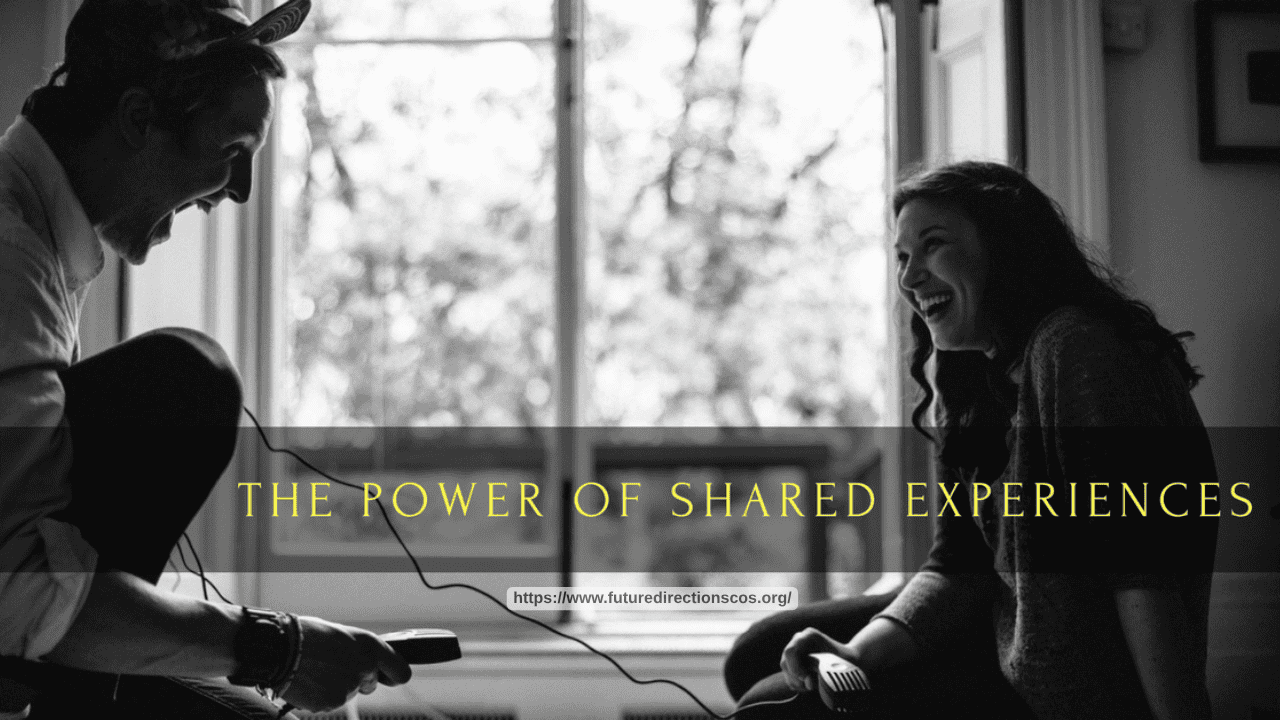
The Power of Shared Experience

Addiction often isolates individuals, creating feelings of shame and disconnection. Peer-led recovery programs counter this by fostering authentic relationships built on empathy and trust. When someone in recovery shares their story, it reminds others that healing is not only possible but achievable. These shared experiences promote hope and encourage participants to stay committed to their recovery goals.

At Future Directions COS, peer engagement is integrated within a broader framework of holistic, faith-based, and individualized care. By combining clinical expertise with peer-led support, clients receive both the professional guidance and the lived insight that inspire long-term change.

What Makes Peer-Led Programs Effective

Building Accountability and Trust

In peer-led programs, participants hold one another accountable in a compassionate, nonjudgmental environment. This accountability helps individuals stay motivated through challenges and prevents the isolation that can lead to relapse. Because peers understand firsthand the ups and downs of recovery, their guidance carries unique authenticity and credibility.

Empowering Leadership and Self-Efficacy

Peer programs encourage participants to take an active role in their healing process. As individuals progress, many take on mentoring roles, helping others who are earlier in their journey. This leadership fosters confidence and self-efficacy—the belief in one’s ability to create and sustain change. Over time, this empowerment strengthens identity, purpose, and resilience.

Encouraging Connection and Belonging

Recovery thrives in connection. Peer-led communities provide a safe space where individuals can share openly, receive encouragement, and develop meaningful relationships. Whether through group meetings, online communities, or mentorship pairings, participants find belonging that supports emotional and spiritual healing.

Integrating Peer Support into Holistic Treatment

At Future Directions COS, peer-led initiatives are thoughtfully woven into our comprehensive treatment programs. Clients benefit from a balance of professional therapy, faith-based guidance, and peer connection. This holistic model ensures that recovery is not limited to symptom management but focuses on whole-person healing—body, mind, and spirit.

Peer programs complement traditional approaches by reinforcing coping skills, promoting accountability, and offering continual support long after formal treatment ends. Whether part of inpatient, outpatient, or aftercare services, peer relationships create a lasting network of encouragement and strength.

Real-World Impact of Peer Support

Studies consistently show that individuals engaged in peer-led recovery are more likely to maintain sobriety, reduce relapse risk, and experience improved mental well-being. These programs help normalize setbacks, celebrate progress, and build community resilience. When participants see others living fulfilling, substance-free lives, they gain confidence that their own recovery is sustainable.

Recovery Redefined Through Connection

Peer-led programs redefine recovery by shifting it from an isolated process to a shared, empowering journey. Through encouragement, accountability, and hope, peers help one another navigate challenges and celebrate victories.

At Future Directions COS, we believe that every person’s recovery story has the power to inspire another. Our holistic and faith-based approach combines professional treatment with the strength of community, ensuring each client has the tools and support to build a healthy, purposeful life.

If you or someone you love is seeking compassionate, community-driven care, reach out to Future Directions COS today. Together, we can walk the path toward lasting recovery—one step, one story, and one connection at a time.