From Expression to Empowerment: How Creativity Enhances Mental Health Treatment

Mental health recovery is about more than managing symptoms. It is about helping individuals rediscover hope, rebuild confidence, and develop healthy ways to navigate life’s challenges. While evidence-based counseling and addiction treatment remain the foundation of effective care, creative expression has become an important part of holistic healing. Art, writing, music, and other creative activities encourage emotional growth, strengthen coping skills, and help individuals reconnect with themselves in meaningful ways. At Future Directions COS, personalized treatment recognizes that healing looks different for every individual, which is why creative approaches can play a valuable role alongside professional addiction recovery services and mental health treatment.

Why Creativity Supports Mental Health Recovery

Creative expression provides opportunities to process emotions that may be difficult to communicate through conversation alone. Many people entering treatment have experienced trauma, grief, anxiety, depression, or years of emotional suppression. These experiences can make it challenging to put feelings into words.

Creative activities engage different areas of the brain, encouraging reflection, mindfulness, and emotional regulation. Whether someone paints a picture, writes in a journal, or listens to meaningful music, creativity creates space for healing without judgment.

When combined with comprehensive inpatient or outpatient treatment, creative therapies help individuals build emotional resilience while reinforcing the skills they learn during counseling.

The Benefits of Creative Therapies in Addiction Recovery

Recovery involves learning healthier ways to respond to stress and difficult emotions. Creative therapies offer practical tools that individuals can continue using long after formal treatment ends.

Art Therapy Encourages Self Discovery

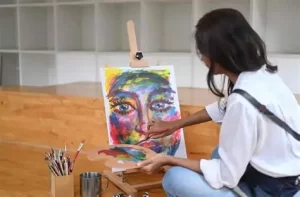
Art therapy allows individuals to express thoughts and emotions through painting, drawing, sculpture, or other visual media. The focus is not on artistic talent. Instead, the creative process becomes a way to explore personal experiences and identify emotions that may otherwise remain hidden.

For individuals recovering from addiction, art therapy can help uncover emotional triggers, process difficult memories, and improve self-awareness. It also provides a healthy outlet for stress that supports long term emotional wellness.

Creating something meaningful can also restore confidence. Every completed project serves as a reminder that growth is possible, even after difficult experiences.

Writing Creates Clarity and Perspective

Writing is one of the most accessible recovery tools available. Journaling allows individuals to organize their thoughts, reflect on daily experiences, and recognize progress over time.

Many treatment professionals encourage clients to write about emotions, recovery goals, personal victories, and ongoing challenges. These reflections help identify patterns that contribute to substance use while reinforcing healthier coping strategies.

Writing also promotes gratitude and optimism. Regular gratitude journaling can help shift attention away from setbacks and toward meaningful progress.

Music Promotes Emotional Balance

Music has a remarkable ability to influence mood and emotional well-being. Listening to calming music, creating playlists for different emotional needs, or participating in music therapy sessions can all contribute to recovery.

Music therapy helps individuals process feelings, reduce stress, improve concentration, and develop mindfulness. Group music activities also strengthen communication and encourage supportive relationships with others in recovery.

These experiences remind individuals that healing does not have to happen alone.

Creativity Complements Holistic Treatment

At Future Directions COS, recovery focuses on treating the whole person rather than simply addressing addiction symptoms. Holistic care recognizes that emotional, physical, mental, and spiritual wellness all contribute to lasting recovery.

Creative expression naturally supports this philosophy by encouraging self-exploration and emotional healing. When appropriate, faith-based support can also be incorporated into individualized treatment plans. Creative practices such as reflective writing, inspirational music, or artistic meditation may help individuals reconnect with their values, strengthen hope, and develop a renewed sense of purpose.

Because every recovery journey is unique, treatment plans are designed around each client’s specific needs, experiences, and goals.

Practical Ways to Build Creativity Into Daily Recovery

Creative expression does not require expensive supplies or professional training. Small daily habits can make a lasting difference in emotional wellness.

Start With Simple Activities

Consider incorporating creative practices into your daily routine by:

  • Keeping a journal to reflect on emotions and recovery progress
  • Sketching or painting to reduce stress
  • Listening to uplifting or calming music during difficult moments
  • Writing poetry, personal reflections, or gratitude lists
  • Exploring photography, crafts, or other creative hobbies
  • Joining community art or music groups that encourage healthy social connection

The goal is consistency rather than perfection. Even a few minutes of creative expression each day can strengthen emotional resilience over time.

Pair Creativity With Professional Support

Creative activities are most effective when they complement comprehensive mental health treatment. Working alongside licensed professionals allows individuals to process emotions safely while building practical coping skills that support lasting recovery.

Whether someone participates in inpatient care, outpatient treatment, or continuing recovery services, creativity can become an important part of maintaining emotional balance.

Empowerment Begins With Self Expression

Recovery is about reclaiming your life, not simply overcoming addiction. Creative expression helps individuals rediscover their strengths, explore their identities, and build confidence in their ability to move forward.

Art, writing, and music encourage emotional honesty while providing healthy ways to manage stress, anxiety, and life’s inevitable challenges. Over time, these practices become more than therapeutic activities. They become lifelong tools for resilience, self-care, and personal growth.

At Future Directions COS, compassionate professionals understand that lasting recovery requires individualized care that addresses every aspect of well-being. By combining evidence-based addiction recovery services, mental health treatment, holistic care, and creative therapies, clients receive the support they need to build healthier futures.

If you or someone you love is ready to begin the journey toward emotional wellness and lasting recovery, reaching out for professional help is an important first step. With personalized treatment, compassionate guidance, and a commitment to whole-person healing, recovery can become a journey of empowerment, hope, and lasting transformation.

Express Yourself: Using Art, Writing, and Music to Strengthen Recovery

Recovery from addiction and mental health challenges is a deeply personal journey that requires more than simply addressing symptoms. True healing involves understanding emotions, rebuilding confidence, and discovering healthy ways to cope with life’s challenges. While traditional therapy remains an important part of treatment, creative expression through art, writing, and music can provide additional pathways for emotional healing and personal growth. At Future Directions COS, a compassionate and individualized approach to recovery recognizes the value of treating the whole person through evidence-based care, holistic support, and meaningful self-expression.

The Connection Between Creativity and Addiction Recovery

Addiction often affects how individuals process emotions, manage stress, and connect with themselves and others. Many people in recovery carry experiences of trauma, anxiety, grief, or emotional pain that may be difficult to express through conversation alone. Creative practices offer another way to explore these feelings in a safe and supportive environment.

Art, writing, and music encourage self-reflection while helping individuals develop healthier coping strategies. These activities can reduce stress, improve emotional awareness, and strengthen resilience. When combined with professional addiction recovery services and mental health treatment, creative approaches can become valuable tools for long-term wellness.

How Art Supports Emotional Healing

Art therapy provides individuals with a way to communicate thoughts and emotions through visual expression. Painting, drawing, sculpting, and other creative activities allow people to explore experiences that may feel overwhelming or difficult to describe.

Building Self Awareness Through Art

Creating art encourages individuals to slow down and reflect. The process can help identify emotions, recognize patterns, and better understand personal experiences. For someone in addiction recovery, this awareness can support the development of healthier responses to triggers and stress.

Art also provides a sense of accomplishment. Completing a creative project can build confidence and remind individuals that they are capable of growth and change.

Creating a Safe Space for Expression

One of the most important benefits of art therapy is that there is no requirement for perfection. The focus is not on creating something technically impressive. Instead, the goal is expression, exploration, and healing. This approach allows individuals to be honest with themselves and their emotions without fear of judgment.

The Healing Power of Writing and Journaling

Writing is another powerful tool that supports mental health and recovery. Journaling creates a private space where individuals can organize their thoughts, process emotions, and reflect on their progress.

Using Writing to Understand Thoughts and Feelings

During recovery, individuals often experience a wide range of emotions. Writing can help bring clarity to these experiences by allowing people to put their thoughts into words. Journaling may help identify stress patterns, recognize achievements, and create a stronger connection between thoughts, feelings, and behaviors.

Guided writing exercises can also support therapy by helping individuals explore personal goals, recovery milestones, and areas where they want to continue growing.

Strengthening Recovery Through Reflection

Recovery is a journey filled with both challenges and successes. Keeping a journal allows individuals to look back and see progress over time. This reflection can reinforce motivation and remind people of the strength they have developed throughout the process.

How Music Supports Mental Health and Wellness

Music has a unique ability to influence emotions and create connection. Whether through listening, songwriting, or playing an instrument, music can support emotional regulation and stress management.

Music as a Healthy Coping Strategy

Many people naturally turn to music during difficult moments because it can provide comfort and encouragement. In recovery, music can become a healthy alternative for managing stress, anxiety, or emotional discomfort.

Music therapy may help individuals process feelings, improve mood, and develop mindfulness skills. These benefits make music a valuable addition to comprehensive mental health treatment.

Building Connection Through Music

Recovery can sometimes feel isolating. Group music activities can help individuals build relationships, share experiences, and feel connected to others. Supportive connections are an important part of creating a strong foundation for lasting recovery.

Creativity in Holistic and Individualized Treatment

At Future Directions COS, recovery is approached with compassion and an understanding that every person’s journey is unique. Creative practices can be incorporated alongside inpatient and outpatient care to support emotional, mental, and spiritual wellness.

A holistic approach recognizes that healing involves more than overcoming addiction. It also includes rebuilding identity, discovering purpose, and developing skills that support a healthier future. For individuals who value faith-based care, creative expression may also provide opportunities for reflection, gratitude, and spiritual growth.

Practical Ways to Include Creativity in Recovery

Creative expression does not have to be complicated. Simple practices can make a meaningful difference in daily life, including:

  • Writing in a journal for a few minutes each day
  • Listening to music that supports relaxation or motivation
  • Drawing, painting, or creating without focusing on perfection
  • Writing personal reflections, poetry, or gratitude lists
  • Exploring new creative hobbies that encourage personal growth

The most important step is finding creative activities that feel meaningful and supportive.

Conclusion: Finding Strength Through Self Expression

Art, writing, and music provide powerful ways to reconnect with emotions, build coping skills, and strengthen recovery. Creative expression allows individuals to explore their experiences while developing confidence, resilience, and a deeper understanding of themselves.

At Future Directions COS, compassionate and personalized treatment helps individuals navigate addiction recovery and mental health challenges with support that addresses the whole person. If you or a loved one are seeking a recovery approach that combines professional care with holistic healing strategies, reaching out can be the first step toward lasting change. Through creativity and connection, recovery can become a journey of growth, healing, and renewed purpose.

Healing Through Creativity: Innovative Approaches to Addiction and Emotional Wellness

Recovery from addiction and mental health challenges requires more than willpower or traditional therapy alone. It calls for a comprehensive approach that addresses emotional, psychological, and spiritual needs. Creative therapies have emerged as powerful tools in this process, helping individuals express what they cannot always say, manage stress, and rediscover a sense of purpose. At Future Directions COS, creativity is thoughtfully integrated into holistic, individualized treatment plans to support meaningful, lasting recovery.

Why Creativity Plays a Key Role in Recovery

Addiction and co-occurring mental health conditions often involve suppressed emotions, unresolved trauma, and patterns of negative thinking. While talk therapy provides essential structure and guidance, creative expression offers another path to healing. It allows individuals to explore emotions safely and without judgment.

Creative practices engage the brain in ways that support emotional regulation and stress reduction. Activities like painting, music, and writing can lower anxiety, improve mood, and increase self-awareness. These benefits are especially valuable in both inpatient and outpatient settings, where clients are learning to manage triggers and build new coping strategies.

Supporting Co-Occurring Mental Health Conditions

Many individuals in addiction recovery also face conditions such as anxiety, depression, or trauma. Creative therapies can support these challenges by providing a nonverbal outlet for processing difficult experiences. This approach helps reduce emotional overload and encourages gradual healing.

By integrating creative expression into treatment, individuals gain tools that support both mental health treatment and substance use recovery. This dual benefit strengthens overall outcomes and promotes long-term stability.

Innovative Creative Therapies in Treatment

Creative approaches are not one-size-fits-all. At Future Directions COS, these therapies are tailored to each client’s needs, preferences, and recovery goals. This individualized care ensures that creativity becomes a meaningful part of the healing journey.

Art Therapy: Turning Emotions Into Insight

Art therapy allows individuals to express complex emotions through visual forms such as painting, drawing, or sculpture. For someone in recovery, this can be a safe way to explore past experiences, identify triggers, and release stress.

Creating art also promotes mindfulness. When focused on the creative process, individuals become more present and less overwhelmed by intrusive thoughts. This shift can improve emotional balance and provide a sense of calm.

Over time, art therapy can help clients build confidence and gain a deeper understanding of their internal world, which supports both emotional wellness and recovery.

Music Therapy: Regulating Mood and Building Connection

Music therapy uses rhythm and sound to support emotional healing. Listening to music, creating playlists, or participating in group sessions can help individuals regulate their mood and process feelings.

Music also plays a role in building connection. Group music activities encourage collaboration and shared experience, which can reduce feelings of isolation. This sense of community is essential in recovery, where support and belonging can make a meaningful difference.

In addition, music can be used outside therapy as a practical coping tool during moments of stress or craving.

Writing and Journaling: Strengthening Self Awareness

Writing is a simple yet powerful way to explore thoughts and emotions. Journaling helps individuals track progress, recognize patterns, and identify triggers that may lead to substance use.

Guided writing exercises can encourage reflection and reinforce coping skills learned in therapy. Practices such as gratitude journaling or daily reflections can shift focus toward positive growth and resilience.

Writing also provides a private space for honesty, allowing individuals to process their experiences at their own pace.

Integrating Creativity Into Holistic and Faith-Based Care

Future Directions COS emphasizes a holistic approach to recovery that addresses the whole person. Creative therapies naturally align with this philosophy by supporting emotional, mental, and spiritual well-being.

For clients who value faith-based care, creative expression can be combined with spiritual practices. Reflective writing, meditative art, or music connected to personal beliefs can deepen the sense of purpose and healing.

This individualized approach ensures that each client’s recovery plan reflects their values, experiences, and goals.

Practical Ways to Use Creativity in Daily Recovery

Creative practices can continue to support recovery outside of structured treatment. Simple, consistent activities can make a meaningful difference in emotional wellness.

  • Set aside time each day for drawing, painting, or journaling
  • Listen to music that promotes calmness or positive reflection
  • Write about daily experiences, challenges, and progress
  • Explore new creative outlets to find what feels most natural
  • Use creative activities as a response to stress or cravings

These practices help reinforce coping skills and provide healthy alternatives to old habits.

Conclusion: A New Path to Emotional Wellness

Healing through creativity offers individuals a powerful way to move beyond survival and toward growth. By engaging in art, music, and writing, individuals can process emotions, build resilience, and develop healthier ways to cope with life’s challenges.

At Future Directions COS, we believe that recovery is not just about overcoming addiction. It is about building a fulfilling and balanced life. Our compassionate, client-centered programs integrate creative therapies with evidence-based treatment to support lasting emotional wellness.

If you or a loved one is seeking a recovery program that values innovation, personalization, and holistic healing, consider reaching out to Future Directions COS today. Taking the first step can open the door to a new path of strength, clarity, and lasting recovery.