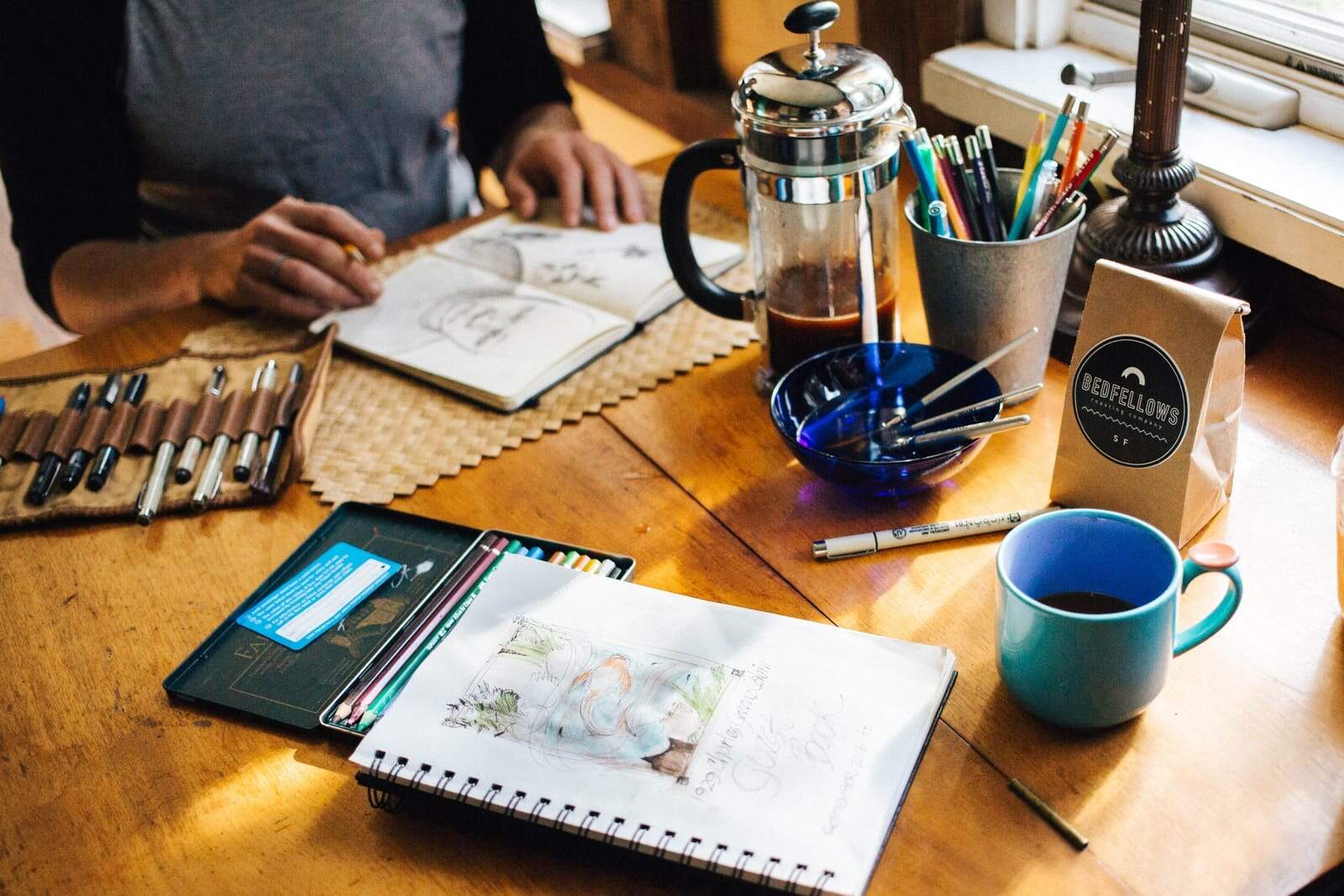
From Pain to Purpose: How Creative Outlets Transform Mental Health Journeys

Mental health challenges and addiction often leave individuals feeling disconnected, overwhelmed, and without direction. While traditional therapy and medication are critical for recovery, many people discover that creative outlets provide a unique and transformative path toward healing. Creative expression allows individuals to process difficult emotions, reconnect with themselves, and discover purpose beyond their struggles. At Future Directions COS, we integrate art, music, writing, and other creative practices into holistic, faith-based, and individualized treatment programs to help clients turn pain into meaningful growth.

The Transformative Power of Creativity

Creative outlets offer more than just a temporary distraction from stress or emotional pain. They engage the mind, body, and spirit in ways that support lasting mental health improvements. When individuals participate in creative activities, the brain releases natural feel-good chemicals, such as dopamine, which improves mood, reduces anxiety, and reinforces positive behaviors.

Moreover, creative expression fosters self-reflection and emotional processing. Many clients find that painting, writing, or music allows them to explore feelings that are difficult to articulate verbally. This process helps them gain insight, develop coping strategies, and create a sense of emotional balance that supports recovery.

Benefits of Creative Outlets in Mental Health Recovery

Processing Trauma and Emotional Pain

Creative outlets provide a safe space to explore and release painful experiences. For clients who have faced trauma, addiction, or prolonged stress, these activities help externalize feelings and make them more manageable. Through guided art therapy, expressive writing, or musical improvisation, individuals can confront and work through challenging emotions in a controlled and therapeutic environment.

Enhancing Self-Expression and Communication

Not all emotions can be communicated through words alone. Creative practices allow individuals to convey their internal experiences, improving self-awareness and fostering authentic communication. Sharing artwork or writings in group therapy can build trust and empathy, creating a supportive community that reinforces recovery.

Rebuilding Confidence and Identity

Addiction and mental health struggles often erode self-esteem and sense of purpose. Completing a creative project, whether large or small, provides a tangible sense of accomplishment. Over time, these successes help individuals rebuild confidence, redefine their identity, and reconnect with passions or talents that may have been lost.

Integrating Creativity into Holistic Recovery

At Future Directions COS, creativity is incorporated as part of a broader, individualized treatment plan. Clients may combine creative outlets with traditional therapy, mindfulness practices, physical wellness programs, and faith-based guidance. This holistic approach ensures that each person’s recovery addresses emotional, cognitive, and spiritual needs.

In both inpatient and outpatient programs, clients can access structured creative therapy sessions, self-directed projects, and group workshops. This flexibility allows them to explore what resonates most and integrate these practices into daily life, providing ongoing tools for emotional regulation and personal growth.

Practical Ways to Incorporate Creativity in Recovery

  • Visual Arts: Drawing, painting, or sculpting to explore emotions and relieve stress.

  • Music Therapy: Playing instruments, composing, or listening intentionally to improve mood.

  • Creative Writing: Journaling or poetry to process experiences and foster self-reflection.

  • Movement-Based Expression: Dance or yoga to release tension and enhance body-mind connection.

Conclusion

Recovery is not only about overcoming addiction or managing mental health symptoms—it is about reclaiming life, purpose, and joy. Creative outlets empower individuals to process emotions, rebuild confidence, and transform pain into meaningful growth.

At Future Directions COS, our holistic, faith-based, and individualized programs embrace the power of creativity as an essential component of recovery. If you or a loved one are seeking compassionate, innovative support to navigate mental health challenges and addiction, contact Future Directions COS today. Discover how creative expression can guide your journey from pain to purpose and help you build a balanced, fulfilling life.
Art as Therapy: Exploring the Healing Power of Creativity in Recovery

Recovery from addiction and mental health challenges is a deeply personal journey that requires support, understanding, and innovative approaches. While traditional therapies like counseling and medication are essential, creative expression has emerged as a powerful complement to these methods. Art as therapy offers individuals the opportunity to process emotions, reduce stress, and reconnect with themselves in ways that words alone often cannot. At Future Directions COS, we integrate art therapy into holistic, faith-based, and individualized treatment programs to support lasting recovery and emotional well-being.
Understanding Art Therapy and Its Role in Recovery

Art therapy is more than just creating visually appealing pieces; it is a structured, therapeutic process that uses artistic expression to facilitate emotional growth and healing. For individuals in addiction recovery or struggling with mental health issues, art therapy provides a safe space to explore feelings, confront trauma, and develop coping strategies.

Engaging in creative activities stimulates the brain’s reward system, releasing dopamine in a natural and healthy way. This not only supports emotional balance but also helps rewire neural pathways that may have been disrupted by substance use or chronic stress. Over time, these practices can strengthen resilience, self-awareness, and emotional regulation.

Emotional Benefits of Art Therapy

Processing Trauma and Reducing Stress

Many individuals turn to substances or develop maladaptive behaviors as a way to cope with trauma or overwhelming emotions. Art therapy offers an alternative method to safely process these feelings. Whether through painting, drawing, or sculpting, clients can externalize internal experiences, reducing anxiety and providing clarity.

Enhancing Self-Expression and Communication

Not everyone can articulate complex emotions verbally. Art provides a medium for expressing thoughts and feelings that might otherwise remain suppressed. Through creative expression, clients can communicate their experiences, fostering understanding and empathy in therapeutic settings.

Rebuilding Confidence and Self-Esteem

Completing an art project, no matter the skill level, instills a sense of accomplishment and pride. These moments of success reinforce self-worth and motivate individuals to continue their recovery journey.

Integrating Art Therapy into Holistic Treatment

At Future Directions COS, art therapy is combined with other evidence-based practices to create a comprehensive, individualized approach to recovery. Clients may engage in art therapy alongside counseling, mindfulness exercises, group support, and faith-based activities. This integrated model addresses the mind, body, and spirit, ensuring that each individual receives care that aligns with their unique needs and values.

Art therapy sessions can be conducted in both inpatient and outpatient settings, allowing clients to incorporate creativity into their daily lives while developing long-term coping skills. The supportive environment encourages experimentation, self-reflection, and growth without judgment.

Practical Applications for Clients

  • Use daily journaling and sketching to explore emotions

  • Participate in guided art therapy sessions to address trauma and triggers

  • Combine creative practices with mindfulness and meditation for enhanced emotional regulation

  • Share artwork in group therapy to build community and mutual support

Conclusion

Art as therapy demonstrates that recovery is more than abstaining from substances or managing symptoms; it is about reclaiming one’s life, voice, and emotional balance. By integrating creative expression into treatment, Future Directions COS helps clients develop resilience, process difficult emotions, and rebuild confidence.

If you or a loved one are seeking compassionate, holistic, and innovative support for addiction or mental health challenges, contact Future Directions COS today. Discover how art therapy and other creative approaches can guide you toward healing, self-discovery, and a balanced, fulfilling life.

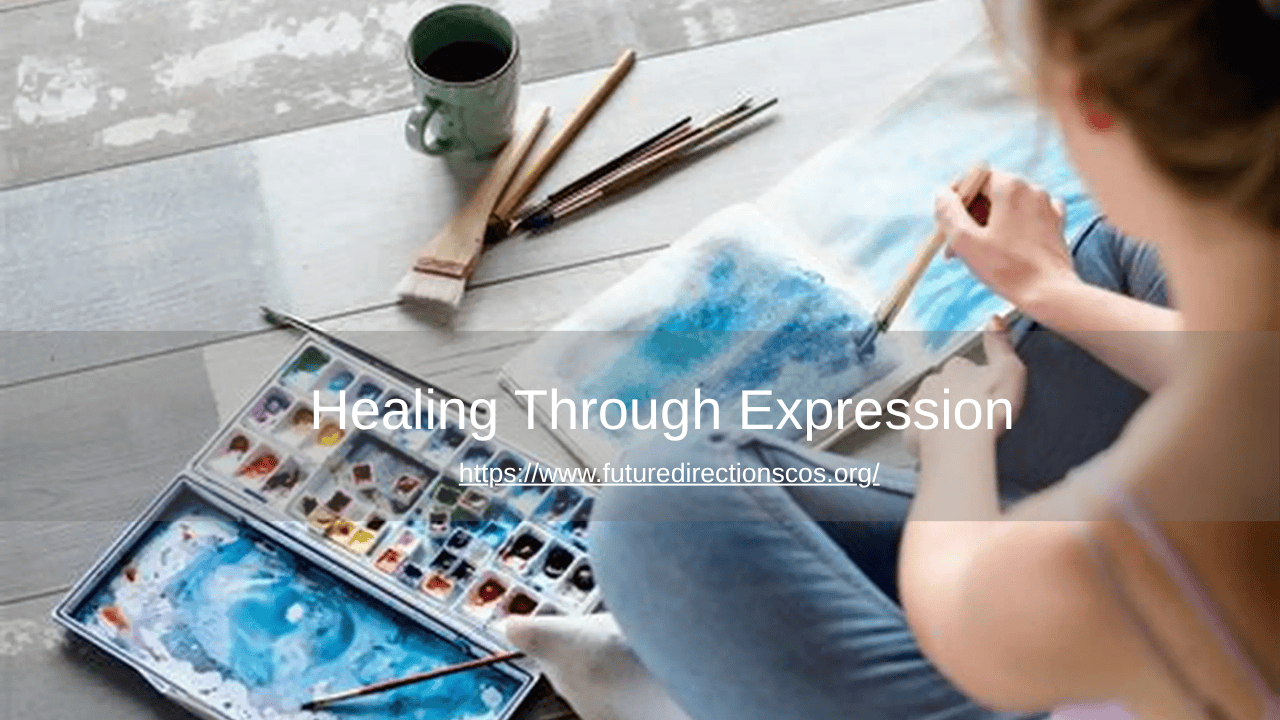
Healing Through Expression: How Creativity Restores Mental Health and Emotional Balance

Healing from addiction and mental health challenges often requires more than talk therapy and medication. True recovery involves reconnecting with oneself, finding purpose, and rediscovering joy in everyday life. At Future Directions, creative expression is viewed as one of the most powerful ways to achieve that healing. By integrating creativity into recovery programs, individuals can unlock emotions, rebuild confidence, and cultivate a deep sense of inner peace.

The Connection Between Creativity and Healing

Art, music, dance, and writing have long been used to help people process emotions and trauma. Creativity allows the mind to communicate what words cannot. For someone struggling with depression, anxiety, or addiction, expressive therapies can bridge the gap between pain and healing.

When individuals engage in creative activities, the brain releases dopamine — the same “feel-good” chemical that is often depleted during addiction. This natural release helps restore motivation, mood balance, and mental clarity. Over time, creative practices can help rewire the brain’s reward system, supporting long-term emotional recovery.

How Creative Expression Supports Addiction and Mental Health Treatment

Creative therapy provides more than just emotional release; it builds critical life skills that enhance recovery outcomes.

1. Emotional regulation and stress relief
Art and music therapy provide safe, nonverbal outlets for emotions that may be too overwhelming to articulate. Painting, for example, can calm the nervous system and help individuals process anxiety or grief without judgment.

2. Building self-awareness and confidence
Through creative expression, individuals begin to understand their emotional patterns and triggers. This self-awareness fosters empowerment and personal growth, both essential for maintaining sobriety and mental stability.

3. Strengthening community and connection
Group creative sessions promote connection and empathy. When participants share their stories or artwork, they realize they are not alone in their struggles, reinforcing a sense of belonging — a key factor in sustainable recovery.

A Holistic Approach to Recovery

At Future Directions, healing is not one-size-fits-all. Their faith-based and individualized approach recognizes the importance of addressing the whole person — mind, body, and spirit. Integrating creative modalities such as art, music, and movement into therapy complements traditional counseling and medical support. This holistic method helps clients engage both their logical and emotional minds, leading to deeper, lasting change.

Finding Balance Through Expression

Creativity is not about artistic skill; it is about authenticity. Whether someone writes poetry, sculpts clay, or plays an instrument, the act of creation itself brings emotional balance and clarity. Over time, this process helps individuals rebuild their identity beyond addiction or illness, giving them the tools to live with purpose and peace.

Conclusion

Healing through creativity reminds us that recovery is more than overcoming addiction or managing symptoms — it is about rediscovering life’s beauty. By embracing expressive therapies, individuals can reconnect with their emotions, strengthen their mental health, and find balance within themselves.

If you or someone you love is seeking a compassionate path to recovery, Future Directions offers holistic, faith-based care that nurtures both mind and spirit. Visit Future Directions Counseling and Recovery Services to learn how creative healing can help you or your loved one begin the journey toward lasting wellness.