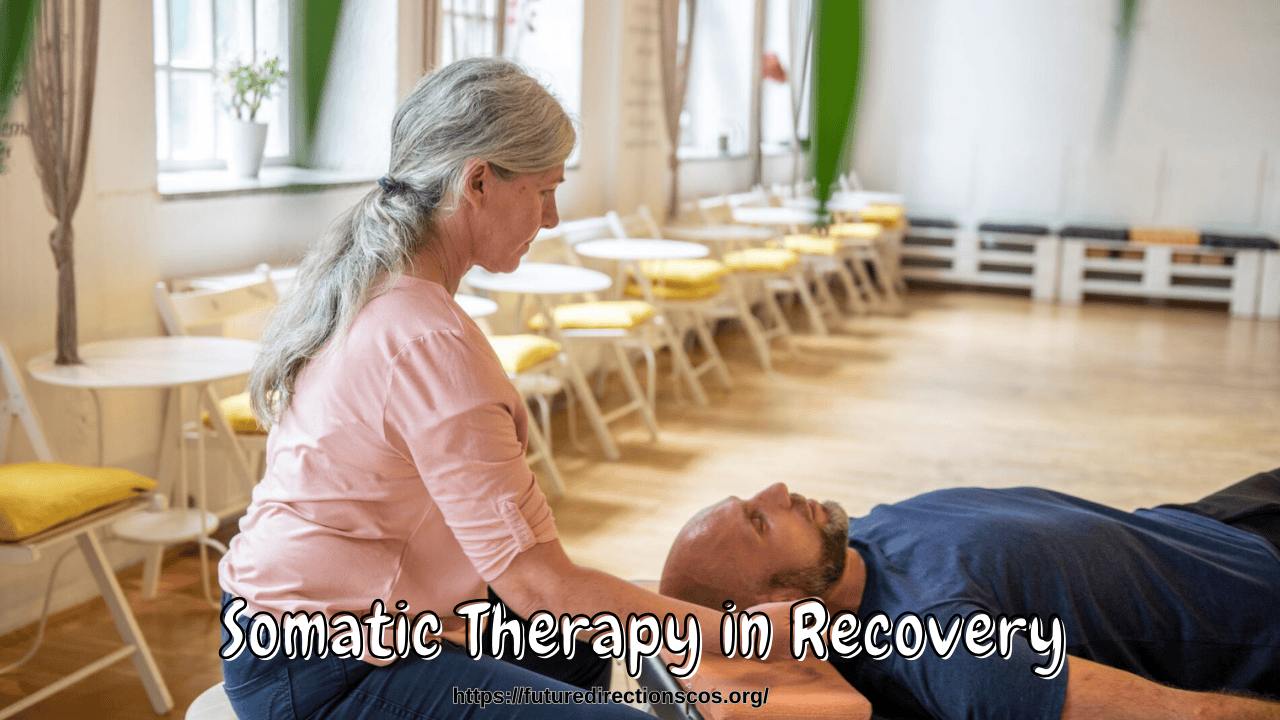
Movement and Mindfulness: Integrating Somatic Therapy in Addiction Treatment

Addiction recovery is a holistic journey that requires attention to the mind, body, and spirit. While traditional therapies provide essential support, integrating somatic therapy—focused on the connection between body and mind—can accelerate healing and improve emotional regulation. At Future Directions COS, we combine movement and mindfulness practices with evidence-based treatments to offer individualized, faith-informed, and compassionate care for those seeking lasting recovery.

Understanding Somatic Therapy in Recovery

Somatic therapy emphasizes how the body stores trauma, stress, and emotional pain. Addiction often arises from or compounds these experiences, leading to patterns of avoidance and emotional suppression. Somatic therapy helps clients reconnect with their bodies, notice sensations, and release tension safely. This embodied approach complements talk therapy by addressing the physiological aspects of recovery, promoting self-awareness, and supporting emotional resilience.

The Role of Movement in Healing

Dance and Movement Therapy

Physical expression through dance or guided movement allows individuals to release stored emotions and process difficult experiences. Movement therapy improves body awareness, reduces anxiety, and builds confidence. For those in recovery, engaging in movement provides a tangible way to navigate cravings, manage stress, and strengthen the mind-body connection.

Yoga and Mindful Exercise

Yoga combines physical postures, breathing techniques, and meditation to cultivate mindfulness and relaxation. Regular practice has been shown to reduce stress, enhance emotional regulation, and improve overall well-being. By integrating yoga into addiction treatment, clients develop tools to manage triggers and remain grounded in their recovery journey.

Mindfulness Practices to Support Recovery

Mindfulness teaches clients to observe thoughts, feelings, and bodily sensations without judgment. Techniques such as guided meditation, breathwork, and body scans help reduce impulsive behavior, increase emotional clarity, and promote mental focus. Mindfulness can be paired with movement-based therapies to deepen the mind-body connection and reinforce coping strategies during moments of craving or stress.

Incorporating Faith and Spirituality

At Future Directions COS, we integrate faith-based practices with somatic therapy when appropriate. Prayer, contemplative reflection, and spiritually inspired mindfulness provide additional grounding, offering clients a sense of purpose and hope throughout their recovery. These practices help clients align their physical, emotional, and spiritual growth.

Benefits of Somatic Therapy in Addiction Treatment

  • Strengthens awareness of physical and emotional triggers

  • Reduces anxiety, stress, and tension in the body

  • Encourages healthy expression of emotions

  • Supports long-term resilience and relapse prevention

  • Enhances connection with self, others, and spirituality

Practical Tips for Clients

  • Begin with short daily mindfulness exercises or gentle stretches

  • Explore movement-based activities that feel safe and enjoyable

  • Pair somatic practices with journaling to process experiences

  • Attend group sessions to build community and accountability

Embodying Recovery for Lasting Change

Movement and mindfulness are powerful tools that complement traditional addiction treatment. By integrating somatic therapy into recovery, clients at Future Directions COS strengthen their mind-body connection, release stored trauma, and build the resilience necessary for long-term sobriety.

If you or a loved one are seeking a compassionate, holistic, and personalized approach to addiction recovery, reach out to Future Directions COS today. Together, we can guide your journey toward healing, self-discovery, and a more balanced life.
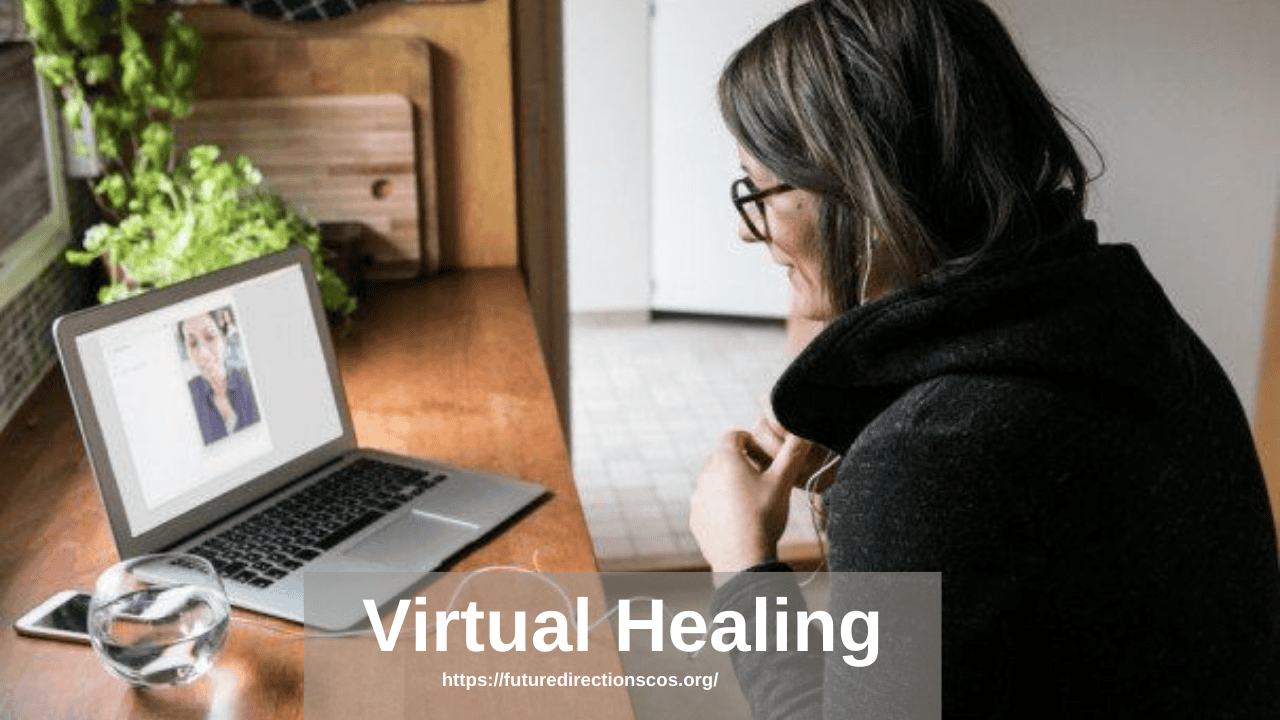
Virtual Healing: The Role of Online Communities in Sustaining Sobriety

Recovery from addiction is a journey that requires support, guidance, and consistent connection. For many individuals, traditional in-person meetings and therapy provide a foundation, but the modern world offers new ways to stay connected and maintain sobriety. Online communities have become a vital part of sustaining recovery. At Future Directions COS, we recognize the power of virtual support alongside holistic, faith-based, and individualized care.
Why Online Communities Matter in Recovery

Addiction recovery can feel isolating, especially for those balancing work, family, or other obligations. Online communities provide accessibility, flexibility, and continuous connection. Members can participate from home, at any hour, and engage in peer support without geographic barriers. This accessibility reinforces accountability and provides encouragement during moments of vulnerability.

Furthermore, online communities foster a sense of belonging. Individuals in recovery often face stigma and misunderstanding. Connecting with people who share similar experiences validates their journey, reduces feelings of shame, and reinforces the belief that recovery is possible.

Types of Online Recovery Support

Virtual Peer Support Groups

Structured peer-led virtual meetings replicate the benefits of in-person support groups. These meetings provide a safe space to share experiences, celebrate milestones, and discuss challenges. Facilitated by trained peers or counselors, these sessions maintain confidentiality while creating meaningful connections that strengthen recovery outcomes.

Teletherapy and Counseling

Online therapy sessions complement group support by providing individualized care. Licensed therapists can deliver cognitive behavioral therapy, motivational interviewing, and other evidence-based interventions via secure video platforms. This approach allows clients to access professional guidance while maintaining the comfort and convenience of home.

Online Educational Resources and Forums

Digital communities also offer access to recovery-oriented content, including articles, videos, and interactive tools. These resources reinforce coping strategies, provide practical advice, and encourage engagement in daily recovery practices. Forums and moderated chat groups allow clients to ask questions and learn from others’ experiences, fostering empowerment and skill-building.

Integrating Online Support with Holistic Care

At Future Directions COS, virtual communities are part of a larger, holistic treatment model. Clients combine online engagement with in-person therapies, faith-based guidance, creative arts programs, and mindfulness practices. This integrated approach addresses the emotional, physical, and spiritual aspects of recovery, ensuring that digital connection supplements—not replaces—comprehensive care.

Practical Tips for Maximizing Online Support

  • Set a routine for attending virtual meetings to create consistency.

  • Engage actively by sharing experiences, listening, and offering encouragement.

  • Use educational resources to reinforce coping strategies and life skills.

  • Combine online support with in-person or teletherapy sessions for a balanced recovery plan.

Strengthening Sobriety Through Connection

Online communities are a valuable tool in sustaining sobriety, providing connection, encouragement, and education when and where it is needed. At Future Directions COS, we combine these virtual resources with holistic, individualized, and faith-based care to create a full spectrum of recovery support.

If you or a loved one is seeking accessible, compassionate, and effective recovery solutions, exploring virtual communities alongside professional care can strengthen your journey. Reach out to Future Directions COS today and discover how connection, support, and personalized treatment can help you maintain sobriety and rebuild your life.


From Crisis to Creativity: Alternative Therapies That Break the Addiction Cycle

Recovery from addiction is rarely a straight path. While traditional methods like counseling, group therapy, and medication are powerful tools, many people discover that alternative therapies open new doors to healing. At Future Directions COS, we believe recovery should nurture the whole person: body, mind, and spirit. By integrating creativity and holistic approaches into treatment, individuals can find strength, purpose, and joy that support long-term sobriety.

Understanding the Need for Alternative Therapies

Addiction affects more than behavior. It alters the brain, strains emotions, and damages relationships. Standard treatment provides structure, but lasting recovery often requires deeper healing. Alternative therapies help fill that gap by allowing individuals to reconnect with themselves and rediscover their inner resilience. These therapies complement inpatient and outpatient care, offering tools that meet people where they are and guide them forward.

The Power of Creative Expression

Art and Music Therapy

Creative expression is a safe way to explore feelings that may be difficult to put into words. Art therapy encourages individuals to paint, draw, or sculpt, which can reveal hidden emotions and support emotional release. Music therapy, on the other hand, helps regulate mood, reduce stress, and build healthy coping strategies. Both modalities activate the brain’s natural reward system, providing joy without the harmful effects of substances.

Writing and Storytelling

Journaling and narrative therapy give individuals space to process their past and shape a hopeful future. Writing allows people to confront trauma, clarify their goals, and track their progress. Storytelling, especially in group settings, fosters connection and reduces feelings of isolation by showing that others share similar struggles.

Healing Through Movement

Dance and Drama Therapy

Movement-based therapies can be transformative for those who have struggled with addiction. Dance therapy provides a physical outlet for stress and suppressed emotions, while drama therapy allows individuals to explore identity and relationships in a safe, creative environment. Both therapies build confidence and help clients practice new ways of relating to themselves and others.

Mind-Body Practices

Yoga, meditation, and breathwork are powerful tools for restoring balance. These practices strengthen the connection between mind and body, teaching individuals how to regulate emotions, reduce anxiety, and cultivate inner peace. For those seeking a faith-centered journey, practices such as contemplative prayer can further anchor recovery in spiritual renewal.

Reconnecting with Nature

Spending time outdoors has profound effects on mental health and recovery. Nature-based therapies, such as hiking or gardening, reduce stress, improve mood, and foster a sense of purpose. These experiences remind individuals that they are part of something greater, nurturing both grounding and growth.

Why Alternative Therapies Work

Alternative therapies break the cycle of addiction by offering healthy, life-affirming outlets. They help rebuild neural pathways, foster resilience, and reignite passions that may have been lost during addiction. At Future Directions COS, these approaches are not a replacement for traditional care but a vital complement. By combining creativity, faith, and science, we empower clients to craft a recovery plan that is deeply personal and sustainable.

A New Path Forward

Addiction recovery is not only about breaking free from substances but also about building a new life filled with meaning and hope. Alternative therapies provide opportunities for creativity, healing, and personal growth that strengthen the recovery journey. At Future Directions COS, we walk with you every step of the way, combining evidence-based care with holistic and faith-based practices that honor your individuality.

If you or a loved one is ready to transform crisis into creativity and healing, reach out to Future Directions COS today. Together, we can help you break the cycle of addiction and discover a brighter future.