 Recovery from addiction and mental health challenges is a deeply personal journey. While talk therapy and medication are essential components of treatment, they do not always address the full spectrum of emotional, cognitive, and spiritual needs. At Future Directions COS, we recognize that creative approaches—such as art, music, writing, and movement—can complement traditional therapy and foster holistic healing. By engaging both the mind and the spirit, creative modalities help clients process trauma, reduce stress, and cultivate resilience, paving the way for lasting recovery.
The Science Behind Creative Healing
How Creativity Affects the Brain
Engaging in creative activities stimulates multiple regions of the brain, including those involved in emotional regulation, problem-solving, and reward processing. Activities like painting, writing, or music trigger the release of dopamine and endorphins, natural chemicals that improve mood and reinforce positive behavior. For individuals in recovery, this provides a healthy alternative to the dopamine surges once sought through substances, supporting long-term mental wellness.
Encouraging Neuroplasticity
Creative expression also promotes neuroplasticity—the brain’s ability to form new neural connections. This is critical in recovery, as addiction and trauma can disrupt normal brain function. By developing new pathways through creative practices, individuals strengthen adaptive coping strategies, improve emotional control, and enhance overall cognitive function.
Emotional and Spiritual Benefits of Creative Modalities
Processing Emotions and Trauma
Many individuals struggling with mental health or addiction experience emotions that are difficult to verbalize. Creative outlets allow for the safe expression of anger, grief, fear, or joy. Art therapy, music, and writing help clients externalize complex feelings, making them more manageable and fostering healing.
Strengthening Self-Awareness and Resilience
Creative practices encourage reflection and self-exploration. Clients who engage in expressive activities develop a deeper understanding of their emotional triggers and patterns. This self-awareness fosters resilience, enabling them to respond to challenges without reverting to old habits or destructive behaviors.
Nurturing the Spirit
Healing is not solely a cognitive process. Faith-based and spiritual approaches are integral to the holistic care offered at Future Directions COS. Creative practices provide a meaningful way to connect with one’s values, beliefs, and inner purpose, promoting a sense of hope and spiritual wellness alongside mental health recovery.
Integrating Creative Approaches into Holistic Recovery
At Future Directions COS, creative therapies are integrated into individualized treatment plans that include counseling, mindfulness, physical wellness, and faith-based guidance. Both inpatient and outpatient clients can participate in structured art therapy sessions, guided writing exercises, music therapy, or movement-based activities. This approach ensures that each person can explore modalities that resonate with their needs, preferences, and recovery goals.
Practical Ways to Embrace Creativity in Recovery
-
Visual Arts: Painting, drawing, or sculpting to express emotions and reduce stress
-
Music Therapy: Playing, composing, or listening to music to modulate mood and enhance focus
-
Writing: Journaling, poetry, or storytelling to process experiences and build self-awareness
-
Movement: Dance, yoga, or expressive movement to connect body and mind
Conclusion
Recovery extends beyond talk therapy. Creative approaches provide powerful tools for emotional expression, cognitive growth, and spiritual renewal. By engaging in art, music, writing, and movement, clients at Future Directions COS can process trauma, develop resilience, and rediscover a sense of purpose.
If you or a loved one are seeking compassionate, holistic, and innovative support for addiction or mental health challenges, contact Future Directions COS today. Explore how creative therapies can complement traditional treatment and guide you toward lasting healing, balance, and fulfillment.
 Navigating the journey of recovery is rarely a straight line, especially when you are balancing the weight of addiction alongside a mental health diagnosis. This intersection, known as a co-occurring disorder, requires more than a one size fits all solution. At Future Directions, we believe that true healing happens when we look beyond the symptoms and treat the whole person. While traditional methods provide a vital foundation, the integration of creative, individualized strategies can be the missing piece that turns a difficult struggle into a sustainable lifestyle of wellness. By embracing innovation and compassion, we help our clients discover that recovery is not just about quitting a substance, but about building a life they no longer feel the need to escape.
 Mental health and addiction recovery require more than just therapy or medication; they demand strategies that engage the mind, body, and spirit. Creative self-expression has emerged as a scientifically supported method to enhance emotional resilience, reduce stress, and support lasting mental wellness. At Future Directions COS, we integrate art, music, writing, and other creative modalities into individualized, faith-based, and holistic programs, helping clients harness the power of creativity to improve their mental and emotional well-being.
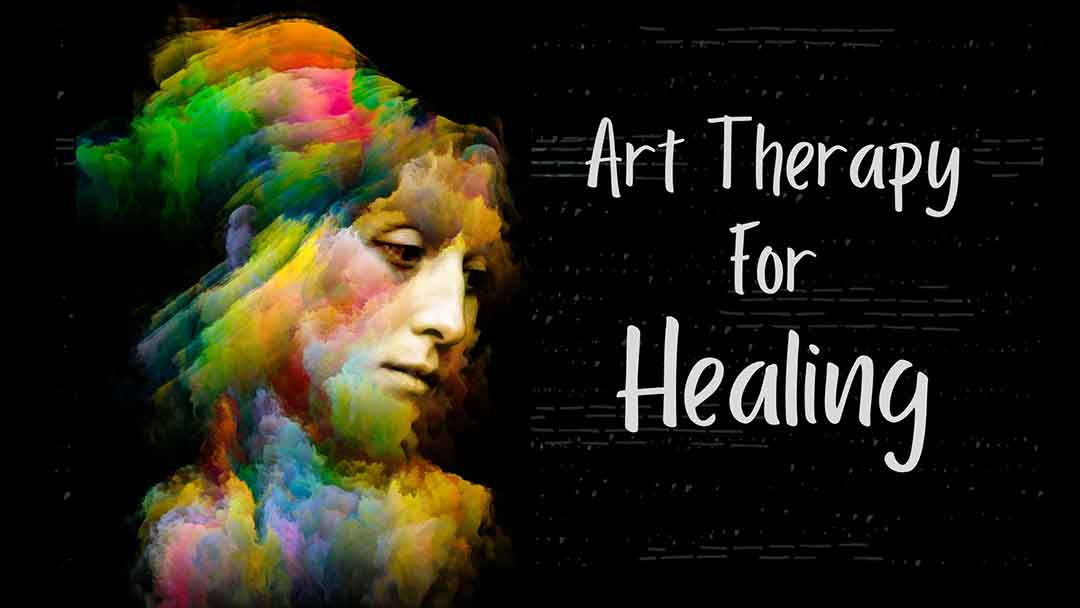 Recovery from addiction and mental health challenges is a journey that requires both internal reflection and external support. While traditional therapies like counseling and medication play a critical role, creative expression can serve as a transformative complement to these treatments. At Future Directions COS, we incorporate art, music, and writing into holistic, faith-based, and individualized programs, helping clients reconnect with their emotions, reduce stress, and build sustainable recovery skills. Mindful creation allows individuals to process their experiences, regain control, and develop tools for long-term wellness.