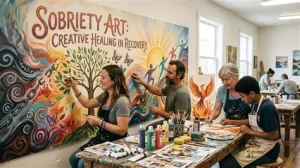
A More Creative Path to Healing: How Holistic Expression Can Support Mental Health and Sobriety

Recovery is about more than putting substances aside. It is about learning how to live with difficult emotions, manage stress, rebuild confidence, strengthen relationships, and discover a meaningful sense of purpose. While counseling and other forms of professional treatment play an important role, some people need additional ways to express what they are experiencing. Creative expression can provide that opportunity. Through art, music, writing, photography, crafts, and other activities, individuals can explore emotions and develop healthy coping strategies that support both mental health and sobriety.

A holistic approach to recovery recognizes that each person’s experience is different. There is no single activity or treatment strategy that works for everyone. Instead, creative practices can complement individualized addiction recovery and mental health treatment by giving people practical ways to reflect, regulate emotions, and reconnect with who they are beyond addiction.

What Does Holistic Expression Mean in Recovery?

Holistic expression means using healthy forms of creativity and self-expression as part of a broader approach to emotional and personal wellness. It does not mean replacing counseling, medical care, or structured addiction treatment. Instead, creative activities can work alongside professional care.

For someone in recovery, this can be particularly meaningful because addiction often affects more than substance use. It can influence relationships, self-esteem, emotional regulation, routines, and a person’s sense of identity.

Creative activities can help address some of these areas in practical and personal ways.

Creativity Gives Emotions Another Outlet

Not every emotion is easy to explain. Someone may feel angry, frightened, lonely, overwhelmed, or discouraged without knowing exactly how to describe the experience.

A journal entry, drawing, song, photograph, or creative project can provide another way to explore those feelings.

The purpose is not to produce something perfect. Instead, the process creates an opportunity to slow down and notice what is happening internally. Those observations can then become useful topics to discuss with a counselor or treatment professional.

Art Can Support Emotional Awareness

Art is one of the most accessible forms of creative expression. A person does not need formal training or artistic talent to benefit from drawing, painting, coloring, or other visual activities.

Use Art to Explore Difficult Feelings

Try drawing an image that represents how you feel today. Use colors that reflect your current mood. Create a picture of something that gives you hope or represents the kind of life you want to build.

There is no correct answer.

The value comes from the reflection that follows. Why did you choose those colors? What does the image represent? Did your emotions change while you were creating it?

These simple questions can encourage greater self-awareness.

Creative Accomplishments Can Rebuild Confidence

Addiction can gradually weaken a person’s confidence. When daily life becomes focused on substance use and its consequences, interests and abilities may be pushed aside.

Finishing a creative project can provide a small but meaningful sense of achievement. Learning a new skill, completing a drawing, writing a poem, or taking photographs during a walk can remind someone that life contains opportunities for growth and discovery.

These experiences can also help people develop an identity that is not defined by addiction.

Music Can Become a Healthy Coping Tool

Music has a natural connection to memories, emotions, and personal experiences. During recovery, it can become part of a healthy routine when it is used intentionally.

Create Music Routines for Different Situations

Consider developing several playlists based on different needs. A calming playlist may help during a stressful evening. Encouraging music may provide motivation in the morning. Reflective music may create space for quiet thought.

Mindful listening can also encourage a person to focus on the present moment. Paying attention to rhythm, melody, or lyrics can create a brief pause between an emotional trigger and an automatic response.

That pause can be valuable when learning healthier ways to handle stress.

Pay Attention to Negative Associations

Music is not automatically helpful in every situation. Certain songs may be strongly connected to past substance use, unhealthy relationships, or difficult memories.

If particular music increases cravings or emotional distress, it may be better to choose something else and discuss the reaction with a treatment professional. Healthy coping strategies should support recovery rather than unintentionally reinforce old patterns.

Writing Can Help Make Sense of the Recovery Journey

Journaling is another practical creative tool because it can be done almost anywhere. A notebook provides private space to record thoughts, emotions, challenges, goals, and progress.

Track Triggers and Responses

After a difficult situation, consider writing down:

  • What happened?
  • What was I feeling?
  • What thoughts did I notice?
  • Did I experience a craving?
  • How did I respond?
  • What did I need at that moment?
  • What could I try differently next time?

Over time, these notes may reveal patterns. Perhaps conflict consistently increases stress. Maybe poor sleep makes emotional regulation more difficult. Work pressure might contribute to cravings, while isolation could make difficult emotions feel stronger.

Recognizing these patterns can provide useful information for treatment and relapse prevention planning.

Keep a Record of Progress

Recovery progress is not always dramatic. Sometimes it is a decision to call someone instead of isolating, take a walk instead of using substances, or pause before reacting to a stressful situation.

Write those moments down.

A record of small successes can provide perspective during difficult periods. It can remind you that recovery involves repeated choices and gradual changes, not just major milestones.

Creative Expression Can Support Co-Occurring Mental Health Treatment

People dealing with addiction and mental health concerns may need support for several interconnected challenges. Anxiety, depression, trauma, grief, stress, and other emotional difficulties can affect how a person responds to cravings and everyday pressures.

Creative practices can complement professional mental health treatment by providing additional opportunities for reflection and emotional awareness.

Creativity Can Reinforce Coping Skills

Suppose someone learns emotional regulation strategies during counseling. They might use journaling afterward to identify what triggered a difficult emotion. Another person might combine mindful breathing with calming music. Someone else might use drawing as a way to slow down after a stressful experience.

The creative activity does not replace the therapeutic skill. It provides another setting in which that skill can be practiced.

This can make healthy coping feel more practical and accessible in everyday life.

A Holistic Recovery Plan Looks at the Whole Person

Holistic addiction recovery recognizes that long-term wellness involves more than substance use. Physical health, emotional well-being, relationships, personal values, environment, spirituality, and purpose can all influence the recovery experience.

That is why individualized care matters.

Treatment Should Reflect Individual Needs

One person may respond well to journaling, while another may find greater meaning through music or visual art. Someone else may prefer photography, gardening, cooking, crafts, poetry, or another hands-on activity.

Creative expression should be selected based on personal interests, comfort, treatment goals, and individual circumstances.

Future Directions COS emphasizes individualized and holistic approaches, allowing recovery strategies to reflect the needs and preferences of the person receiving care. Creative practices can fit within this broader philosophy when they are appropriate and supportive of the individual’s treatment goals.

Faith and Creativity Can Also Connect With Recovery

For individuals who want spirituality included in their recovery, creative expression can provide another way to explore faith, hope, gratitude, and purpose.

Making Space for Spiritual Reflection

Someone might keep a prayer journal, write personal reflections, listen to meaningful music, create inspirational artwork, or spend quiet time reflecting on faith and personal values.

These activities do not need to look the same for everyone. The important consideration is whether they provide meaningful support and fit comfortably within the person’s broader treatment plan.

A faith-based approach can be especially personal because spirituality may influence how someone understands forgiveness, purpose, relationships, hope, and the possibility of change.

Simple Ways to Add Creativity to Your Recovery Routine

You do not need expensive supplies or hours of free time to begin. Start with something simple and sustainable.

Try One Creative Practice

Consider:

  • Spend five minutes journaling before bed.
  • Draw or color when you need a healthy distraction.
  • Create a playlist for relaxation or encouragement.
  • Take photographs during a mindful walk.
  • Write down one thing you handled well each day.
  • Try poetry or personal writing.
  • Explore gardening, crafts, cooking, or another hands-on hobby.
  • Create artwork that represents a personal goal.
  • Listen intentionally to meaningful music without other distractions.
  • Talk with a counselor about which creative activities may support your treatment goals.

Consistency matters more than complexity. A small practice that becomes part of your routine can be more useful than an elaborate activity that you rarely continue.

Creativity Is Part of Recovery, Not a Replacement for Treatment

Creative expression can be valuable, but it should not be viewed as a substitute for professional addiction or mental health care.

People experiencing substance use problems or significant mental health symptoms may need assessment, counseling, structured treatment, medical support, or ongoing recovery services. Depending on individual circumstances, inpatient or outpatient care may provide different levels of structure and support.

Creative practices can complement those services.

The goal is to build a recovery toolkit that reflects the whole person. When healthy creative activities are combined with appropriate professional care, they may help individuals continue practicing emotional awareness and healthy coping skills beyond formal treatment.

Building a Life That Includes More Than Addiction

One of the most important parts of recovery is rediscovering what makes life meaningful.

Addiction can consume time, relationships, attention, and energy. As recovery progresses, individuals have an opportunity to fill that space with healthier experiences.

Creativity can help.

Learning to play music, writing about personal goals, photographing nature, growing a garden, painting, making something with your hands, or exploring a new hobby can provide structure and enjoyment. More importantly, these experiences can help answer an important question: What do I want my life to look like now?

That question is central to lasting recovery.

Conclusion: There Can Be More Than One Path Toward Healing

A more creative path to healing does not mean stepping away from professional treatment. It means recognizing that recovery involves the whole person and that healthy self-expression can play a meaningful role alongside counseling, addiction treatment, mental health care, and ongoing support.

Art can create space for emotions. Music can support mindfulness and connection. Writing can reveal patterns and document progress. Faith-based reflection can strengthen a sense of purpose for those who want spirituality included in their recovery. Together, these approaches can become practical tools for building emotional resilience and supporting sobriety.

If addiction or mental health challenges are affecting your life, you do not have to figure everything out alone. Reaching out for professional support can help you identify an individualized path forward. With the right treatment, healthy coping strategies, and opportunities to rediscover your interests and values, recovery can become more than leaving addiction behind. It can become the process of building a life you genuinely want to live.
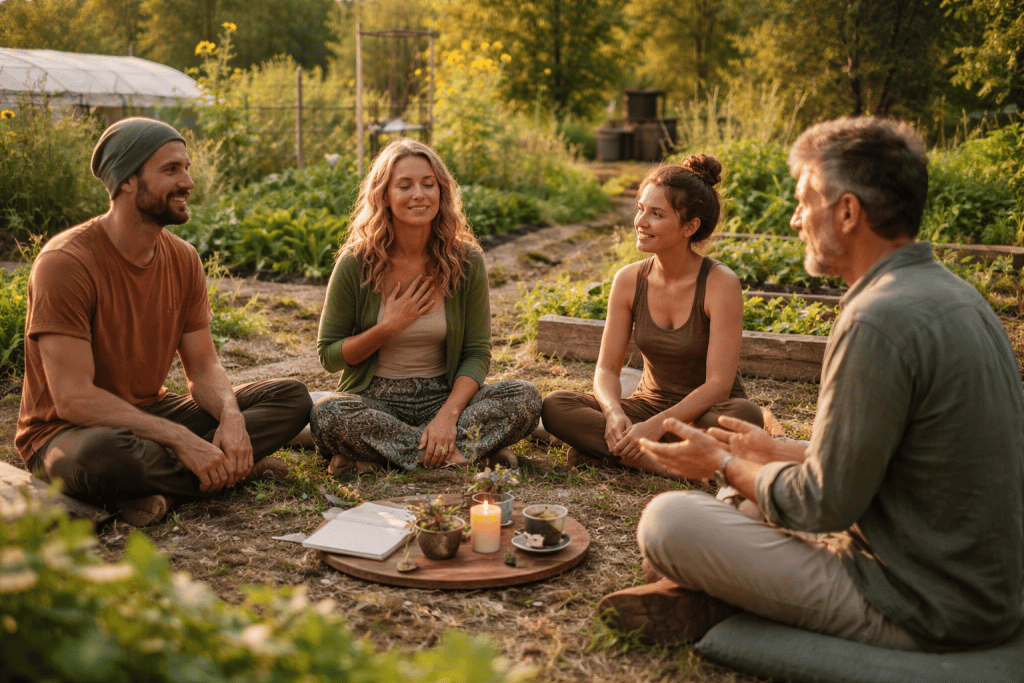
Color, Sound, and Self Discovery: Creative Ways to Build Emotional Resilience in Recovery

Recovery asks a person to do more than stop using substances. It requires learning how to handle stress, process difficult emotions, rebuild confidence, and respond to life’s challenges without returning to unhealthy coping patterns. For many people, those skills develop through counseling and structured addiction treatment. However, emotional resilience can also grow through creative experiences. Color, sound, writing, movement, and other forms of self-expression can provide meaningful ways to understand emotions, practice healthy coping, and reconnect with a sense of identity during recovery.

Creative approaches can be especially valuable for people dealing with both substance use and mental health concerns. When addiction and emotional difficulties occur together, recovery often requires attention to the whole person. A holistic and individualized approach can make room for creative practices alongside professional mental health treatment, addiction recovery services, and other forms of support.

What Is Emotional Resilience in Recovery?

Emotional resilience is not about never feeling sadness, anger, anxiety, disappointment, or fear. Those emotions are part of being human. Resilience means developing healthier ways to recognize difficult emotions, work through them, and continue moving forward.

Addiction can interfere with this process. Substance use may become a way to escape uncomfortable feelings rather than address them. Over time, this can make emotional challenges feel even harder to manage.

Recovery creates an opportunity to learn different responses.

Resilience Develops Through Practice

Emotional resilience is built gradually. A person may begin by recognizing a trigger, pausing before reacting, reaching out for support, or finding a healthier way to manage stress.

Creative activities can provide another place to practice these skills. Spending time drawing, listening intentionally to music, journaling, or working on a creative project can create a pause between an emotional experience and an automatic response.

That pause can become an important part of recovery.

How Color Can Encourage Emotional Self Discovery

Color is a simple but powerful way to explore feelings. You do not need to be an artist to use it. A notebook, colored pencils, paints, or even a basic coloring activity can create an opportunity to slow down and focus.

Using Color to Express Difficult Feelings

Some emotions are difficult to describe. A person may know they feel overwhelmed without being able to explain exactly what is happening internally.

Color can provide another language.

Someone might choose dark colors when feeling weighed down, bright colors when experiencing hope, or several contrasting colors when emotions feel complicated. There is no correct interpretation. The value comes from paying attention to the choices and considering what they might reveal.

This type of reflection may help individuals recognize emotional patterns that can later be explored more deeply in counseling.

Creating Without Judging the Result

Perfectionism can become a barrier to creative expression. Someone may avoid drawing because they believe they are not talented enough.

Recovery is an opportunity to let go of that pressure.

The purpose of creative expression is not to produce something worthy of display. It is to create space for self-awareness. A simple sketch can be just as meaningful as a detailed painting if it helps someone identify what they are experiencing.

How Sound and Music Can Support Emotional Regulation

Music has a natural connection to memory, mood, and personal experience. A particular song can bring back a memory, provide comfort during a difficult moment, or create motivation when energy is low.

For someone in recovery, music can become a practical part of a healthy coping routine.

Build Music Into a Recovery Routine

Consider creating several playlists for different situations.

A calming playlist may be useful during stressful evenings. An uplifting playlist may help create motivation in the morning. Reflective music may provide quiet time for processing emotions.

The important point is intentional use. Rather than simply allowing music to play in the background, try listening closely to the rhythm, melody, lyrics, or other sounds. This can encourage mindfulness and bring attention back to the present moment.

Be Mindful of Emotional Associations

Not every song is helpful in every situation. Some music may be strongly connected to substance use, unhealthy relationships, painful memories, or periods of active addiction.

Part of recovery involves becoming aware of these connections.

If a particular song consistently increases cravings or emotional distress, it may be worth discussing that response with a treatment professional and choosing different music when needed. Healthy coping strategies should support recovery rather than unintentionally reinforce old patterns.

Writing Can Reveal Patterns That Are Easy to Miss

Writing provides a private space to slow down and examine thoughts. Unlike a passing thought, a journal entry creates something that can be revisited later.

For people working through addiction recovery and mental health concerns, this can be particularly useful.

Track Triggers and Emotional Responses

Try recording a few details after a difficult moment:

  • What happened?
  • What emotion did I experience?
  • What thoughts came up?
  • How did I respond?
  • What did I need at that moment?
  • What could I try differently next time?

Over time, these entries may reveal patterns. Perhaps stress at work consistently increases cravings. Maybe conflict with a particular person leads to isolation. Poor sleep may make emotional regulation more difficult.

Recognizing these patterns can provide useful information for conversations with counselors and other treatment professionals.

Record Small Wins

Recovery progress is not always dramatic. Sometimes it looks like taking a walk instead of using substances, calling a supportive person instead of isolating, or getting through a stressful situation without returning to an old behavior.

Write those moments down.

Keeping track of small victories can make progress easier to see, especially during periods when recovery feels difficult.

Creative Expression Can Strengthen Mental Health Treatment

Creative activities should not replace professional treatment for addiction or mental health conditions. They can, however, complement a comprehensive treatment plan.

Future Directions COS emphasizes individualized and holistic approaches, recognizing that people have different experiences, needs, preferences, and recovery goals. Creative practices can fit within that broader philosophy when they are appropriate for the individual.

Creativity Can Support Self Awareness

Mental health treatment often involves understanding thoughts, emotions, behaviors, and patterns. Creative activities can give individuals another way to observe those experiences.

A journal may reveal recurring thoughts. Artwork may represent an emotion that is difficult to verbalize. Music may help someone recognize how certain sounds affect their mood.

These observations can become useful starting points for therapeutic conversations.

Creativity Can Reinforce Healthy Coping Skills

Learning a coping skill during treatment is important. Practicing it outside treatment is what helps make it part of everyday life.

For example, someone might use journaling after practicing emotional awareness in counseling. Another person might listen to calming music while using breathing techniques. Someone else might draw when they need a healthy way to slow down after a stressful experience.

The creative activity becomes part of a larger recovery toolkit.

Self Discovery Can Help Rebuild Identity After Addiction

Addiction can become closely tied to a person’s identity. Relationships, routines, interests, and goals may gradually become centered around substance use.

Recovery creates room to rediscover who you are outside of addiction.

Explore Interests Without Pressure

Try activities simply because they are interesting. Photography, gardening, crafts, poetry, cooking, drawing, music, or writing can all provide opportunities to develop new interests.

You do not need to become highly skilled. The process of learning something new can be valuable on its own.

Every new activity can help answer an important recovery question: What kind of life do I want to build now?

Reconnect With Purpose

Self discovery is closely connected to purpose. As people develop healthier routines and explore new interests, they may begin identifying values that matter to them.

Creativity can support that process by giving people opportunities to reflect on personal goals, relationships, faith, family, work, service, or other meaningful parts of life.

For individuals who want spiritual beliefs included in treatment, creative activities may also provide opportunities for prayerful reflection, inspirational writing, meaningful music, or other forms of faith-based expression.

Practical Ways to Build Creative Resilience

You do not need a large block of free time or expensive supplies to begin. Start with one activity that feels comfortable.

Try One Small Practice

Consider:

  • Spending five minutes drawing or coloring each evening
  • Keeping a daily journal about emotions and recovery progress
  • Creating a calming playlist for stressful moments
  • Writing one sentence about something you handled well that day
  • Taking photographs during a mindful walk
  • Exploring poetry or personal writing
  • Trying a simple craft or hands-on hobby
  • Listening to meaningful music without distractions
  • Discussing creative interests with a counselor or supportive person

Consistency matters more than complexity. A small activity practiced regularly can become a dependable part of a healthy routine.

Creativity Belongs in a Whole Person Approach to Recovery

Emotional resilience does not develop in isolation. Physical health, mental health, relationships, environment, personal values, and sense of purpose can all influence recovery.

That is why individualized care matters.

A person may benefit from inpatient treatment when a structured environment is needed, while another may participate in outpatient care as they continue building recovery skills in daily life. Regardless of the level of care, creative practices can serve as additional tools when they fit the individual’s treatment goals and preferences.

The purpose is not to choose creativity instead of professional care. It is to identify healthy resources that can work alongside appropriate treatment.

Conclusion: Resilience Grows When You Discover New Ways to Cope

Emotional resilience is not something a person either has or does not have. It can develop through practice, reflection, support, and repeated experiences of handling difficult moments in healthier ways.

Color can provide a visual outlet for emotions. Music can support mindfulness and connection. Writing can reveal patterns and document progress. Together with professional addiction recovery services and mental health treatment, creative practices can become meaningful tools for self discovery and long-term wellness.

If you are struggling with addiction, mental health concerns, or both, you do not have to understand everything before asking for help. A personalized treatment approach can help you identify the support and coping strategies that fit your needs. Taking that first step can open the door to greater self awareness, stronger emotional resilience, and a life shaped by more than the challenges you have faced.

Beyond Talk Therapy: Creative Approaches That Enhance Mental Health and Co‑Occurring Recovery

Talk therapy is an important part of mental health and addiction treatment, but healing does not always happen through conversation alone. For people living with addiction and co-occurring mental health challenges, some emotions, memories, and experiences can be difficult to explain in words. Creative approaches such as art, music, writing, and other forms of self-expression can provide additional ways to process emotions, develop healthier coping skills, and reconnect with a sense of purpose.

A well-rounded recovery plan should recognize that every person has different needs. Creative practices can complement professional mental health treatment and addiction recovery services by addressing emotional wellness alongside the clinical aspects of recovery. When these approaches are included within holistic, individualized care, they can give people practical tools for managing stress, understanding themselves, and building a healthier future.

Why Co-Occurring Recovery Requires More Than One Approach

Co-occurring mental health conditions can make addiction recovery more complicated. A person may be dealing with anxiety, depression, trauma, grief, chronic stress, or other emotional challenges while also trying to change patterns of substance use.

These concerns often influence one another. Emotional distress may increase the desire to use substances, while substance use can make mental health symptoms harder to manage. As a result, effective treatment needs to look at the whole person rather than focusing on addiction in isolation.

Emotional Experiences Are Not Always Easy to Explain

Some experiences are difficult to describe, even in a supportive therapy setting. A person may know that they feel overwhelmed without understanding exactly why. Others may carry painful memories that they are not ready to discuss in detail.

Creative expression can offer another point of entry.

Drawing, writing, music, photography, or another creative activity may help a person explore feelings before they are ready to explain them verbally. The goal is not artistic perfection. The goal is greater self-awareness and a healthier way to express what is happening internally.

How Art Can Support Mental Health and Addiction Recovery

Art can create space for reflection without requiring someone to find the perfect words. Painting, drawing, coloring, sculpture, and other visual activities can help people explore emotions and experiences in a personal way.

Art Encourages Self-Discovery

A person might use colors to represent an emotion, create an image connected to a difficult experience, or simply draw whatever comes to mind. Looking back at the finished work can encourage reflection and help reveal emotional patterns.

For someone in addiction recovery, this increased awareness can be useful when identifying triggers and recognizing how stress affects behavior.

Creativity Can Rebuild Confidence

Addiction can affect self-esteem and leave people feeling disconnected from their abilities. Completing a creative project provides a simple reminder that progress is possible.

The finished product does not need to be impressive. Completing the process itself can create a sense of accomplishment. Over time, these small experiences can help rebuild confidence and encourage individuals to discover healthy interests that support life beyond addiction.

The Role of Music in Emotional Wellness

Music is another accessible creative tool that can support emotional health. People often turn to music naturally when they need comfort, motivation, reflection, or connection.

In recovery, that natural response can become a healthy coping strategy.

Using Music During Difficult Moments

A person can create different playlists for different emotional needs. Calming music may help during stressful periods, while encouraging music may provide motivation when energy or confidence is low.

Mindful listening can also bring attention back to the present moment. Focusing on rhythm, melody, or lyrics may provide a constructive way to redirect attention when thoughts become overwhelming.

Music Can Reduce Isolation

Recovery can sometimes feel lonely, particularly when addiction has damaged relationships or caused people to withdraw from others. Shared musical experiences can create opportunities for connection.

Group activities involving music may encourage communication, participation, and a sense of belonging. Building healthy relationships is an important part of recovery because long-term wellness is easier to maintain when people have meaningful support.

Writing Can Turn Emotional Confusion Into Clarity

Writing is one of the simplest creative practices to introduce into a recovery routine. It requires little more than a notebook, a pen, and a few quiet minutes.

Journaling can provide a private space for honest reflection and can complement the work taking place in counseling and other forms of treatment.

Journaling Can Help Identify Triggers

Writing about daily experiences can help individuals notice connections between situations, emotions, thoughts, and behaviors.

For example, someone might begin noticing that cravings tend to appear after particular types of conflict, stressful workdays, poor sleep, or feelings of loneliness. Recognizing these patterns does not solve them automatically, but it gives the individual and their treatment team more information to work with.

Writing Can Highlight Progress

Recovery is often measured through small steps that are easy to overlook. A journal can create a record of those changes.

Looking back at earlier entries may show improvements in emotional regulation, relationships, coping skills, or confidence. It can also remind individuals that difficult days do not erase the progress they have already made.

Creative Approaches Can Complement Individualized Treatment

Creative practices are not intended to replace professional addiction treatment or mental health care. Instead, they can complement a broader treatment plan.

At Future Directions COS, the emphasis on individualized care recognizes that people respond to different approaches. Some individuals may connect strongly with visual art, while others may prefer writing, music, or another creative activity.

Finding What Fits the Individual

There is no single creative activity that works for everyone. Treatment should consider personal preferences, emotional needs, recovery goals, and comfort level.

For one person, journaling may provide valuable insight. Another person may find that drawing helps them slow down and process emotions. Someone else may connect more naturally with music or another creative hobby.

This flexibility is especially important when treating co-occurring conditions because mental health and substance use challenges can look very different from one individual to another.

Creativity and Holistic Recovery

Holistic recovery looks beyond the symptoms of addiction and considers emotional, physical, mental, and spiritual well-being. Creative expression can fit naturally into this broader perspective.

The Future Directions COS approach emphasizes individualized and holistic care, with creative practices serving as potential tools for emotional expression, healthier coping, self-awareness, and personal growth. Faith-based elements may also be meaningful for individuals who want their personal beliefs and spiritual values included in their recovery experience.

Connecting Creativity With Purpose

Addiction can narrow a person’s world until much of life revolves around substance use, avoidance, or managing consequences. Recovery creates an opportunity to rediscover interests and develop a stronger sense of identity.

Creative activities can be part of that process. Writing about personal goals, creating meaningful artwork, listening to inspirational music, or exploring a new hobby can help individuals reconnect with values and interests that addiction may have pushed aside.

Practical Ways to Bring Creativity Into Recovery

Creative expression does not have to be complicated or expensive. The most important consideration is choosing activities that feel useful and sustainable.

Start With Small, Consistent Habits

Consider trying:

  • Writing in a journal for five to ten minutes each day
  • Creating a playlist for relaxation, motivation, or reflection
  • Drawing or coloring during periods of stress
  • Writing poetry or personal reflections
  • Keeping a gratitude journal
  • Exploring photography, gardening, crafts, or another creative hobby
  • Participating in supportive group activities that encourage connection

The goal is not to create another obligation. Instead, creativity should become a healthy opportunity to slow down, reflect, and reconnect with yourself.

Creative Tools Can Strengthen Long-Term Recovery

One of the most valuable aspects of creative practices is that they can continue beyond formal treatment. A person may leave an inpatient program or complete an outpatient phase of care, but the need for healthy coping strategies does not disappear.

Journaling can remain part of a daily routine. Music can become a tool for managing difficult emotions. Creative hobbies can provide structure and enjoyment. These practices can reinforce the broader skills learned during professional treatment.

Over time, healthy activities can become part of a lifestyle that supports emotional stability and continued recovery.

Conclusion: Recovery Can Take More Than One Path

Talk therapy remains an important part of addiction recovery and mental health treatment, but meaningful healing can take many forms. Art, music, writing, and other creative approaches can give individuals additional ways to understand emotions, manage stress, build confidence, and strengthen healthy coping skills.

For people facing co-occurring addiction and mental health challenges, this broader perspective can be especially valuable. Recovery is not simply about stopping substance use. It is also about rebuilding emotional health, developing a stronger identity, reconnecting with purpose, and learning how to handle life’s challenges in healthier ways.

If you or someone you love is struggling with addiction, mental health concerns, or both, seeking professional support can be an important first step. An individualized treatment plan that combines professional care with holistic strategies can help address the needs of the whole person. With the right support and healthy tools for self-expression, recovery can become an opportunity to build greater resilience, confidence, and hope for the future.

When Words Are Not Enough: Creative Tools for Healing, Emotional Wellness, and Recovery

Not every experience can be explained in a therapy session. For people navigating addiction, anxiety, depression, trauma, grief, or other mental health challenges, emotions can sometimes feel too complicated to put into words. That is where creative expression can offer another path toward healing. Art, music, writing, movement, and other creative practices can help individuals explore difficult emotions, develop healthier coping skills, and reconnect with themselves during addiction recovery. When thoughtfully combined with professional mental health treatment and individualized care, creative tools can support emotional wellness and help people build a stronger foundation for long term recovery.

Why Creative Expression Matters in Recovery

Addiction can change the way a person responds to stress, emotions, relationships, and everyday challenges. At the same time, many people entering treatment are carrying experiences that have never been fully processed.

Traditional counseling gives individuals an important place to talk through these experiences. However, talking is not always easy. Someone may understand that they are struggling without knowing exactly how to describe what they feel.

Creative expression can bridge that gap.

Instead of asking someone to immediately explain an emotion, a creative activity allows them to explore it. A drawing might represent sadness or anger. A song may bring difficult memories to the surface. A journal entry may reveal a recurring thought pattern. These discoveries can then become useful starting points for deeper therapeutic work.

Creative practices should not replace professional addiction treatment. Rather, they can complement clinical care by providing additional opportunities for reflection, emotional regulation, and personal growth.

Art Can Give Difficult Emotions a Visual Voice

Art is one of the most accessible forms of creative expression. It does not require advanced skills or expensive materials. A pencil, notebook, paintbrush, or even a coloring page can provide an opportunity to slow down and focus.

Exploring Emotions Without Judgment

People in recovery sometimes judge themselves harshly for the emotions they experience. Anger, fear, sadness, guilt, or shame can feel uncomfortable, particularly when someone believes they should already be feeling better.

Creative activities provide room to acknowledge these emotions without immediately trying to eliminate them.

For example, an individual might use colors to represent how they feel during a stressful moment. Another person may create an image that represents a significant memory or a personal goal. The finished product does not need to make sense to anyone else. Its value comes from what the process reveals to the individual.

Building Confidence Through Creation

Addiction can affect a person’s sense of identity and self-worth. Creative activities can help rebuild both.

Completing a drawing, learning a song, writing a poem, or developing a new skill creates an experience of accomplishment. These small successes can reinforce an important recovery message: change is possible.

Over time, creative hobbies can also help individuals discover interests that have nothing to do with substance use. That process can contribute to a healthier identity and a more meaningful daily routine.

Music Can Help Regulate Emotions and Create Connection

Music is closely connected to memory and emotion. A familiar song can bring comfort, encourage reflection, or change the atmosphere during a difficult day.

For people in addiction recovery, music can become a healthy coping resource when used intentionally.

Using Music During Stressful Moments

Creating a personal collection of calming, encouraging, or meaningful songs can provide an accessible coping strategy. Someone experiencing stress might listen to music while practicing slow breathing. Another person may use uplifting music to support motivation during a challenging morning.

The goal is not to use music to avoid difficult feelings. Instead, music can help create enough emotional space to process those feelings in a healthier way.

Music Can Strengthen Community

Recovery is not meant to happen in isolation. Healthy relationships and supportive communities are important parts of emotional wellness.

Shared musical experiences can encourage communication and connection. Group singing, songwriting, listening exercises, or simply discussing meaningful music can give people opportunities to relate to others and recognize that they are not alone.

Writing Can Turn Confusion Into Clarity

Writing offers something that many other creative activities do not: a record of the recovery journey. A journal can become a private place to process thoughts, identify patterns, and recognize progress.

Journaling for Emotional Awareness

A person experiencing a difficult day might write about what happened, how they responded, and what they needed at that moment. Over time, these entries may reveal connections between situations, emotions, and behaviors.

For someone working through addiction recovery, this awareness can be especially useful. Recognizing recurring triggers can help inform conversations with treatment professionals and support the development of healthier coping strategies.

Writing About Progress

Recovery is often measured through major milestones, but meaningful change also happens in small moments.

Writing down accomplishments can make those changes easier to recognize. A person might record the first time they handled stress without using substances, reached out for support instead of isolating, or responded to a difficult situation with greater patience.

Looking back on these entries can provide encouragement when recovery feels challenging.

Creative Practices and Co-Occurring Mental Health Treatment

Addiction and mental health concerns frequently require integrated care. Someone may be working through substance use while also managing depression, anxiety, trauma, or other emotional challenges.

In these situations, creative practices can provide additional ways to explore experiences that may be difficult to address through conversation alone.

Supporting Emotional Regulation

Creative activities can encourage people to slow down and become more aware of their internal experiences. This can support emotional regulation by creating a pause between an emotional trigger and a response.

That pause matters in recovery. It can give someone time to recognize what they are feeling, consider their options, and choose a healthier response.

Reinforcing Skills Learned in Treatment

The coping skills developed during counseling become more useful when they can be practiced in everyday life.

For example, someone might combine journaling with cognitive strategies learned in therapy. Another person may use music while practicing mindfulness. Art can become a way to reflect on personal goals or identify emotions discussed during counseling.

In this way, creative expression becomes part of a broader recovery toolkit.

Bringing Creativity Into a Holistic Recovery Plan

Holistic recovery recognizes that lasting wellness involves the whole person. Mental health, physical well-being, relationships, values, and sense of purpose can all influence the recovery experience.

Creative practices fit naturally within this approach because they encourage individuals to explore who they are beyond their addiction or diagnosis.

Future Directions COS emphasizes compassionate, individualized care and recognizes that recovery does not look exactly the same for everyone. Creative activities can therefore be selected according to an individual’s interests, comfort level, treatment goals, and personal values. The website also highlights holistic and faith-based approaches, which can provide additional opportunities for individuals who want spirituality to be part of their healing process.

For someone who values faith, writing prayers or reflections, creating inspirational artwork, or listening to meaningful music may provide a deeper connection to hope and purpose.

Simple Ways to Start Using Creative Tools

Creative expression does not have to involve a formal class or complicated project. Consider starting with one small activity:

  • Keep a five minute journal at the end of each day.
  • Create a playlist for relaxation, encouragement, or reflection.
  • Draw what a current emotion feels like.
  • Write about one recovery accomplishment each evening.
  • Try photography, crafts, poetry, or another creative hobby.
  • Use art or music as part of a healthy stress management routine.
  • Share a creative activity with a supportive friend or recovery community.

The most important consideration is whether the activity supports healthy expression and personal growth.

Creativity Is a Tool, Not a Substitute for Care

Creative practices can be deeply helpful, but they are most valuable when used as part of an appropriate treatment plan. Individuals experiencing addiction or significant mental health symptoms may need professional assessment, counseling, medical care, structured treatment, or ongoing recovery support.

Creative expression can work alongside these services rather than replacing them.

A personalized approach allows treatment professionals to determine which strategies are appropriate and how they can support an individual’s broader recovery goals. Whether someone needs inpatient support, outpatient treatment, or continuing care, creative tools can be incorporated when they fit the person’s needs and preferences.

Conclusion: Healing Can Take More Than One Form

Sometimes healing begins with a conversation. Sometimes it begins with a blank page, a piece of music, a paintbrush, or another creative outlet that makes it possible to express what words cannot.

Art, writing, and music can help people understand emotions, manage stress, build confidence, and reconnect with purpose. When combined with compassionate addiction recovery services, mental health treatment, and individualized care, these creative tools can become meaningful parts of a person’s recovery journey.

If you or someone you love is struggling with addiction or mental health concerns, reaching out for professional support can be an important first step. Recovery does not require you to have everything figured out before asking for help. With the right support and a treatment approach that respects the whole person, there can be many paths toward healing, emotional wellness, and a healthier future.