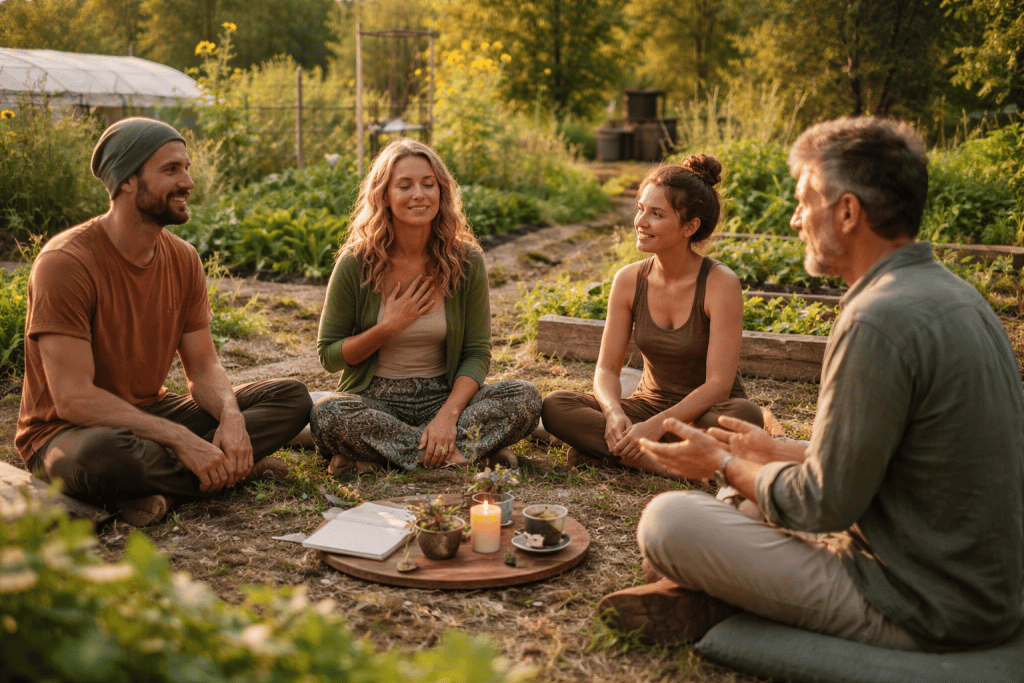
 Recovery asks a person to do more than stop using substances. It requires learning how to handle stress, process difficult emotions, rebuild confidence, and respond to life’s challenges without returning to unhealthy coping patterns. For many people, those skills develop through counseling and structured addiction treatment. However, emotional resilience can also grow through creative experiences. Color, sound, writing, movement, and other forms of self-expression can provide meaningful ways to understand emotions, practice healthy coping, and reconnect with a sense of identity during recovery.
Creative approaches can be especially valuable for people dealing with both substance use and mental health concerns. When addiction and emotional difficulties occur together, recovery often requires attention to the whole person. A holistic and individualized approach can make room for creative practices alongside professional mental health treatment, addiction recovery services, and other forms of support.
What Is Emotional Resilience in Recovery?
Emotional resilience is not about never feeling sadness, anger, anxiety, disappointment, or fear. Those emotions are part of being human. Resilience means developing healthier ways to recognize difficult emotions, work through them, and continue moving forward.
Addiction can interfere with this process. Substance use may become a way to escape uncomfortable feelings rather than address them. Over time, this can make emotional challenges feel even harder to manage.
Recovery creates an opportunity to learn different responses.
Resilience Develops Through Practice
Emotional resilience is built gradually. A person may begin by recognizing a trigger, pausing before reacting, reaching out for support, or finding a healthier way to manage stress.
Creative activities can provide another place to practice these skills. Spending time drawing, listening intentionally to music, journaling, or working on a creative project can create a pause between an emotional experience and an automatic response.
That pause can become an important part of recovery.
How Color Can Encourage Emotional Self Discovery
Color is a simple but powerful way to explore feelings. You do not need to be an artist to use it. A notebook, colored pencils, paints, or even a basic coloring activity can create an opportunity to slow down and focus.
Using Color to Express Difficult Feelings
Some emotions are difficult to describe. A person may know they feel overwhelmed without being able to explain exactly what is happening internally.
Color can provide another language.
Someone might choose dark colors when feeling weighed down, bright colors when experiencing hope, or several contrasting colors when emotions feel complicated. There is no correct interpretation. The value comes from paying attention to the choices and considering what they might reveal.
This type of reflection may help individuals recognize emotional patterns that can later be explored more deeply in counseling.
Creating Without Judging the Result
Perfectionism can become a barrier to creative expression. Someone may avoid drawing because they believe they are not talented enough.
Recovery is an opportunity to let go of that pressure.
The purpose of creative expression is not to produce something worthy of display. It is to create space for self-awareness. A simple sketch can be just as meaningful as a detailed painting if it helps someone identify what they are experiencing.
How Sound and Music Can Support Emotional Regulation
Music has a natural connection to memory, mood, and personal experience. A particular song can bring back a memory, provide comfort during a difficult moment, or create motivation when energy is low.
For someone in recovery, music can become a practical part of a healthy coping routine.
Build Music Into a Recovery Routine
Consider creating several playlists for different situations.
A calming playlist may be useful during stressful evenings. An uplifting playlist may help create motivation in the morning. Reflective music may provide quiet time for processing emotions.
The important point is intentional use. Rather than simply allowing music to play in the background, try listening closely to the rhythm, melody, lyrics, or other sounds. This can encourage mindfulness and bring attention back to the present moment.
Be Mindful of Emotional Associations
Not every song is helpful in every situation. Some music may be strongly connected to substance use, unhealthy relationships, painful memories, or periods of active addiction.
Part of recovery involves becoming aware of these connections.
If a particular song consistently increases cravings or emotional distress, it may be worth discussing that response with a treatment professional and choosing different music when needed. Healthy coping strategies should support recovery rather than unintentionally reinforce old patterns.
Writing Can Reveal Patterns That Are Easy to Miss
Writing provides a private space to slow down and examine thoughts. Unlike a passing thought, a journal entry creates something that can be revisited later.
For people working through addiction recovery and mental health concerns, this can be particularly useful.
Track Triggers and Emotional Responses
Try recording a few details after a difficult moment:
- What happened?
- What emotion did I experience?
- What thoughts came up?
- How did I respond?
- What did I need at that moment?
- What could I try differently next time?
Over time, these entries may reveal patterns. Perhaps stress at work consistently increases cravings. Maybe conflict with a particular person leads to isolation. Poor sleep may make emotional regulation more difficult.
Recognizing these patterns can provide useful information for conversations with counselors and other treatment professionals.
Record Small Wins
Recovery progress is not always dramatic. Sometimes it looks like taking a walk instead of using substances, calling a supportive person instead of isolating, or getting through a stressful situation without returning to an old behavior.
Write those moments down.
Keeping track of small victories can make progress easier to see, especially during periods when recovery feels difficult.
Creative Expression Can Strengthen Mental Health Treatment
Creative activities should not replace professional treatment for addiction or mental health conditions. They can, however, complement a comprehensive treatment plan.
Future Directions COS emphasizes individualized and holistic approaches, recognizing that people have different experiences, needs, preferences, and recovery goals. Creative practices can fit within that broader philosophy when they are appropriate for the individual.
Creativity Can Support Self Awareness
Mental health treatment often involves understanding thoughts, emotions, behaviors, and patterns. Creative activities can give individuals another way to observe those experiences.
A journal may reveal recurring thoughts. Artwork may represent an emotion that is difficult to verbalize. Music may help someone recognize how certain sounds affect their mood.
These observations can become useful starting points for therapeutic conversations.
Creativity Can Reinforce Healthy Coping Skills
Learning a coping skill during treatment is important. Practicing it outside treatment is what helps make it part of everyday life.
For example, someone might use journaling after practicing emotional awareness in counseling. Another person might listen to calming music while using breathing techniques. Someone else might draw when they need a healthy way to slow down after a stressful experience.
The creative activity becomes part of a larger recovery toolkit.
Self Discovery Can Help Rebuild Identity After Addiction
Addiction can become closely tied to a person’s identity. Relationships, routines, interests, and goals may gradually become centered around substance use.
Recovery creates room to rediscover who you are outside of addiction.
Explore Interests Without Pressure
Try activities simply because they are interesting. Photography, gardening, crafts, poetry, cooking, drawing, music, or writing can all provide opportunities to develop new interests.
You do not need to become highly skilled. The process of learning something new can be valuable on its own.
Every new activity can help answer an important recovery question: What kind of life do I want to build now?
Reconnect With Purpose
Self discovery is closely connected to purpose. As people develop healthier routines and explore new interests, they may begin identifying values that matter to them.
Creativity can support that process by giving people opportunities to reflect on personal goals, relationships, faith, family, work, service, or other meaningful parts of life.
For individuals who want spiritual beliefs included in treatment, creative activities may also provide opportunities for prayerful reflection, inspirational writing, meaningful music, or other forms of faith-based expression.
Practical Ways to Build Creative Resilience
You do not need a large block of free time or expensive supplies to begin. Start with one activity that feels comfortable.
Try One Small Practice
Consider:
- Spending five minutes drawing or coloring each evening
- Keeping a daily journal about emotions and recovery progress
- Creating a calming playlist for stressful moments
- Writing one sentence about something you handled well that day
- Taking photographs during a mindful walk
- Exploring poetry or personal writing
- Trying a simple craft or hands-on hobby
- Listening to meaningful music without distractions
- Discussing creative interests with a counselor or supportive person
Consistency matters more than complexity. A small activity practiced regularly can become a dependable part of a healthy routine.
Creativity Belongs in a Whole Person Approach to Recovery
Emotional resilience does not develop in isolation. Physical health, mental health, relationships, environment, personal values, and sense of purpose can all influence recovery.
That is why individualized care matters.
A person may benefit from inpatient treatment when a structured environment is needed, while another may participate in outpatient care as they continue building recovery skills in daily life. Regardless of the level of care, creative practices can serve as additional tools when they fit the individual’s treatment goals and preferences.
The purpose is not to choose creativity instead of professional care. It is to identify healthy resources that can work alongside appropriate treatment.
Conclusion: Resilience Grows When You Discover New Ways to Cope
Emotional resilience is not something a person either has or does not have. It can develop through practice, reflection, support, and repeated experiences of handling difficult moments in healthier ways.
Color can provide a visual outlet for emotions. Music can support mindfulness and connection. Writing can reveal patterns and document progress. Together with professional addiction recovery services and mental health treatment, creative practices can become meaningful tools for self discovery and long-term wellness.
If you are struggling with addiction, mental health concerns, or both, you do not have to understand everything before asking for help. A personalized treatment approach can help you identify the support and coping strategies that fit your needs. Taking that first step can open the door to greater self awareness, stronger emotional resilience, and a life shaped by more than the challenges you have faced.