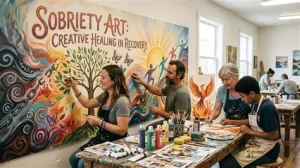
 Recovery is about more than putting substances aside. It is about learning how to live with difficult emotions, manage stress, rebuild confidence, strengthen relationships, and discover a meaningful sense of purpose. While counseling and other forms of professional treatment play an important role, some people need additional ways to express what they are experiencing. Creative expression can provide that opportunity. Through art, music, writing, photography, crafts, and other activities, individuals can explore emotions and develop healthy coping strategies that support both mental health and sobriety.
A holistic approach to recovery recognizes that each person’s experience is different. There is no single activity or treatment strategy that works for everyone. Instead, creative practices can complement individualized addiction recovery and mental health treatment by giving people practical ways to reflect, regulate emotions, and reconnect with who they are beyond addiction.
What Does Holistic Expression Mean in Recovery?
Holistic expression means using healthy forms of creativity and self-expression as part of a broader approach to emotional and personal wellness. It does not mean replacing counseling, medical care, or structured addiction treatment. Instead, creative activities can work alongside professional care.
For someone in recovery, this can be particularly meaningful because addiction often affects more than substance use. It can influence relationships, self-esteem, emotional regulation, routines, and a person’s sense of identity.
Creative activities can help address some of these areas in practical and personal ways.
Creativity Gives Emotions Another Outlet
Not every emotion is easy to explain. Someone may feel angry, frightened, lonely, overwhelmed, or discouraged without knowing exactly how to describe the experience.
A journal entry, drawing, song, photograph, or creative project can provide another way to explore those feelings.
The purpose is not to produce something perfect. Instead, the process creates an opportunity to slow down and notice what is happening internally. Those observations can then become useful topics to discuss with a counselor or treatment professional.
Art Can Support Emotional Awareness
Art is one of the most accessible forms of creative expression. A person does not need formal training or artistic talent to benefit from drawing, painting, coloring, or other visual activities.
Use Art to Explore Difficult Feelings
Try drawing an image that represents how you feel today. Use colors that reflect your current mood. Create a picture of something that gives you hope or represents the kind of life you want to build.
There is no correct answer.
The value comes from the reflection that follows. Why did you choose those colors? What does the image represent? Did your emotions change while you were creating it?
These simple questions can encourage greater self-awareness.
Creative Accomplishments Can Rebuild Confidence
Addiction can gradually weaken a person’s confidence. When daily life becomes focused on substance use and its consequences, interests and abilities may be pushed aside.
Finishing a creative project can provide a small but meaningful sense of achievement. Learning a new skill, completing a drawing, writing a poem, or taking photographs during a walk can remind someone that life contains opportunities for growth and discovery.
These experiences can also help people develop an identity that is not defined by addiction.
Music Can Become a Healthy Coping Tool
Music has a natural connection to memories, emotions, and personal experiences. During recovery, it can become part of a healthy routine when it is used intentionally.
Create Music Routines for Different Situations
Consider developing several playlists based on different needs. A calming playlist may help during a stressful evening. Encouraging music may provide motivation in the morning. Reflective music may create space for quiet thought.
Mindful listening can also encourage a person to focus on the present moment. Paying attention to rhythm, melody, or lyrics can create a brief pause between an emotional trigger and an automatic response.
That pause can be valuable when learning healthier ways to handle stress.
Pay Attention to Negative Associations
Music is not automatically helpful in every situation. Certain songs may be strongly connected to past substance use, unhealthy relationships, or difficult memories.
If particular music increases cravings or emotional distress, it may be better to choose something else and discuss the reaction with a treatment professional. Healthy coping strategies should support recovery rather than unintentionally reinforce old patterns.
Writing Can Help Make Sense of the Recovery Journey
Journaling is another practical creative tool because it can be done almost anywhere. A notebook provides private space to record thoughts, emotions, challenges, goals, and progress.
Track Triggers and Responses
After a difficult situation, consider writing down:
- What happened?
- What was I feeling?
- What thoughts did I notice?
- Did I experience a craving?
- How did I respond?
- What did I need at that moment?
- What could I try differently next time?
Over time, these notes may reveal patterns. Perhaps conflict consistently increases stress. Maybe poor sleep makes emotional regulation more difficult. Work pressure might contribute to cravings, while isolation could make difficult emotions feel stronger.
Recognizing these patterns can provide useful information for treatment and relapse prevention planning.
Keep a Record of Progress
Recovery progress is not always dramatic. Sometimes it is a decision to call someone instead of isolating, take a walk instead of using substances, or pause before reacting to a stressful situation.
Write those moments down.
A record of small successes can provide perspective during difficult periods. It can remind you that recovery involves repeated choices and gradual changes, not just major milestones.
Creative Expression Can Support Co-Occurring Mental Health Treatment
People dealing with addiction and mental health concerns may need support for several interconnected challenges. Anxiety, depression, trauma, grief, stress, and other emotional difficulties can affect how a person responds to cravings and everyday pressures.
Creative practices can complement professional mental health treatment by providing additional opportunities for reflection and emotional awareness.
Creativity Can Reinforce Coping Skills
Suppose someone learns emotional regulation strategies during counseling. They might use journaling afterward to identify what triggered a difficult emotion. Another person might combine mindful breathing with calming music. Someone else might use drawing as a way to slow down after a stressful experience.
The creative activity does not replace the therapeutic skill. It provides another setting in which that skill can be practiced.
This can make healthy coping feel more practical and accessible in everyday life.
A Holistic Recovery Plan Looks at the Whole Person
Holistic addiction recovery recognizes that long-term wellness involves more than substance use. Physical health, emotional well-being, relationships, personal values, environment, spirituality, and purpose can all influence the recovery experience.
That is why individualized care matters.
Treatment Should Reflect Individual Needs
One person may respond well to journaling, while another may find greater meaning through music or visual art. Someone else may prefer photography, gardening, cooking, crafts, poetry, or another hands-on activity.
Creative expression should be selected based on personal interests, comfort, treatment goals, and individual circumstances.
Future Directions COS emphasizes individualized and holistic approaches, allowing recovery strategies to reflect the needs and preferences of the person receiving care. Creative practices can fit within this broader philosophy when they are appropriate and supportive of the individual’s treatment goals.
Faith and Creativity Can Also Connect With Recovery
For individuals who want spirituality included in their recovery, creative expression can provide another way to explore faith, hope, gratitude, and purpose.
Making Space for Spiritual Reflection
Someone might keep a prayer journal, write personal reflections, listen to meaningful music, create inspirational artwork, or spend quiet time reflecting on faith and personal values.
These activities do not need to look the same for everyone. The important consideration is whether they provide meaningful support and fit comfortably within the person’s broader treatment plan.
A faith-based approach can be especially personal because spirituality may influence how someone understands forgiveness, purpose, relationships, hope, and the possibility of change.
Simple Ways to Add Creativity to Your Recovery Routine
You do not need expensive supplies or hours of free time to begin. Start with something simple and sustainable.
Try One Creative Practice
Consider:
- Spend five minutes journaling before bed.
- Draw or color when you need a healthy distraction.
- Create a playlist for relaxation or encouragement.
- Take photographs during a mindful walk.
- Write down one thing you handled well each day.
- Try poetry or personal writing.
- Explore gardening, crafts, cooking, or another hands-on hobby.
- Create artwork that represents a personal goal.
- Listen intentionally to meaningful music without other distractions.
- Talk with a counselor about which creative activities may support your treatment goals.
Consistency matters more than complexity. A small practice that becomes part of your routine can be more useful than an elaborate activity that you rarely continue.
Creativity Is Part of Recovery, Not a Replacement for Treatment
Creative expression can be valuable, but it should not be viewed as a substitute for professional addiction or mental health care.
People experiencing substance use problems or significant mental health symptoms may need assessment, counseling, structured treatment, medical support, or ongoing recovery services. Depending on individual circumstances, inpatient or outpatient care may provide different levels of structure and support.
Creative practices can complement those services.
The goal is to build a recovery toolkit that reflects the whole person. When healthy creative activities are combined with appropriate professional care, they may help individuals continue practicing emotional awareness and healthy coping skills beyond formal treatment.
Building a Life That Includes More Than Addiction
One of the most important parts of recovery is rediscovering what makes life meaningful.
Addiction can consume time, relationships, attention, and energy. As recovery progresses, individuals have an opportunity to fill that space with healthier experiences.
Creativity can help.
Learning to play music, writing about personal goals, photographing nature, growing a garden, painting, making something with your hands, or exploring a new hobby can provide structure and enjoyment. More importantly, these experiences can help answer an important question: What do I want my life to look like now?
That question is central to lasting recovery.
Conclusion: There Can Be More Than One Path Toward Healing
A more creative path to healing does not mean stepping away from professional treatment. It means recognizing that recovery involves the whole person and that healthy self-expression can play a meaningful role alongside counseling, addiction treatment, mental health care, and ongoing support.
Art can create space for emotions. Music can support mindfulness and connection. Writing can reveal patterns and document progress. Faith-based reflection can strengthen a sense of purpose for those who want spirituality included in their recovery. Together, these approaches can become practical tools for building emotional resilience and supporting sobriety.
If addiction or mental health challenges are affecting your life, you do not have to figure everything out alone. Reaching out for professional support can help you identify an individualized path forward. With the right treatment, healthy coping strategies, and opportunities to rediscover your interests and values, recovery can become more than leaving addiction behind. It can become the process of building a life you genuinely want to live.