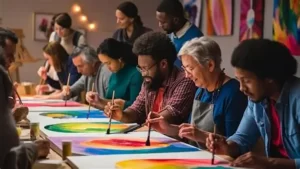
 Not every experience can be explained in a therapy session. For people navigating addiction, anxiety, depression, trauma, grief, or other mental health challenges, emotions can sometimes feel too complicated to put into words. That is where creative expression can offer another path toward healing. Art, music, writing, movement, and other creative practices can help individuals explore difficult emotions, develop healthier coping skills, and reconnect with themselves during addiction recovery. When thoughtfully combined with professional mental health treatment and individualized care, creative tools can support emotional wellness and help people build a stronger foundation for long term recovery.
Why Creative Expression Matters in Recovery
Addiction can change the way a person responds to stress, emotions, relationships, and everyday challenges. At the same time, many people entering treatment are carrying experiences that have never been fully processed.
Traditional counseling gives individuals an important place to talk through these experiences. However, talking is not always easy. Someone may understand that they are struggling without knowing exactly how to describe what they feel.
Creative expression can bridge that gap.
Instead of asking someone to immediately explain an emotion, a creative activity allows them to explore it. A drawing might represent sadness or anger. A song may bring difficult memories to the surface. A journal entry may reveal a recurring thought pattern. These discoveries can then become useful starting points for deeper therapeutic work.
Creative practices should not replace professional addiction treatment. Rather, they can complement clinical care by providing additional opportunities for reflection, emotional regulation, and personal growth.
Art Can Give Difficult Emotions a Visual Voice
Art is one of the most accessible forms of creative expression. It does not require advanced skills or expensive materials. A pencil, notebook, paintbrush, or even a coloring page can provide an opportunity to slow down and focus.
Exploring Emotions Without Judgment
People in recovery sometimes judge themselves harshly for the emotions they experience. Anger, fear, sadness, guilt, or shame can feel uncomfortable, particularly when someone believes they should already be feeling better.
Creative activities provide room to acknowledge these emotions without immediately trying to eliminate them.
For example, an individual might use colors to represent how they feel during a stressful moment. Another person may create an image that represents a significant memory or a personal goal. The finished product does not need to make sense to anyone else. Its value comes from what the process reveals to the individual.
Building Confidence Through Creation
Addiction can affect a person’s sense of identity and self-worth. Creative activities can help rebuild both.
Completing a drawing, learning a song, writing a poem, or developing a new skill creates an experience of accomplishment. These small successes can reinforce an important recovery message: change is possible.
Over time, creative hobbies can also help individuals discover interests that have nothing to do with substance use. That process can contribute to a healthier identity and a more meaningful daily routine.
Music Can Help Regulate Emotions and Create Connection
Music is closely connected to memory and emotion. A familiar song can bring comfort, encourage reflection, or change the atmosphere during a difficult day.
For people in addiction recovery, music can become a healthy coping resource when used intentionally.
Using Music During Stressful Moments
Creating a personal collection of calming, encouraging, or meaningful songs can provide an accessible coping strategy. Someone experiencing stress might listen to music while practicing slow breathing. Another person may use uplifting music to support motivation during a challenging morning.
The goal is not to use music to avoid difficult feelings. Instead, music can help create enough emotional space to process those feelings in a healthier way.
Music Can Strengthen Community
Recovery is not meant to happen in isolation. Healthy relationships and supportive communities are important parts of emotional wellness.
Shared musical experiences can encourage communication and connection. Group singing, songwriting, listening exercises, or simply discussing meaningful music can give people opportunities to relate to others and recognize that they are not alone.
Writing Can Turn Confusion Into Clarity
Writing offers something that many other creative activities do not: a record of the recovery journey. A journal can become a private place to process thoughts, identify patterns, and recognize progress.
Journaling for Emotional Awareness
A person experiencing a difficult day might write about what happened, how they responded, and what they needed at that moment. Over time, these entries may reveal connections between situations, emotions, and behaviors.
For someone working through addiction recovery, this awareness can be especially useful. Recognizing recurring triggers can help inform conversations with treatment professionals and support the development of healthier coping strategies.
Writing About Progress
Recovery is often measured through major milestones, but meaningful change also happens in small moments.
Writing down accomplishments can make those changes easier to recognize. A person might record the first time they handled stress without using substances, reached out for support instead of isolating, or responded to a difficult situation with greater patience.
Looking back on these entries can provide encouragement when recovery feels challenging.
Creative Practices and Co-Occurring Mental Health Treatment
Addiction and mental health concerns frequently require integrated care. Someone may be working through substance use while also managing depression, anxiety, trauma, or other emotional challenges.
In these situations, creative practices can provide additional ways to explore experiences that may be difficult to address through conversation alone.
Supporting Emotional Regulation
Creative activities can encourage people to slow down and become more aware of their internal experiences. This can support emotional regulation by creating a pause between an emotional trigger and a response.
That pause matters in recovery. It can give someone time to recognize what they are feeling, consider their options, and choose a healthier response.
Reinforcing Skills Learned in Treatment
The coping skills developed during counseling become more useful when they can be practiced in everyday life.
For example, someone might combine journaling with cognitive strategies learned in therapy. Another person may use music while practicing mindfulness. Art can become a way to reflect on personal goals or identify emotions discussed during counseling.
In this way, creative expression becomes part of a broader recovery toolkit.
Bringing Creativity Into a Holistic Recovery Plan
Holistic recovery recognizes that lasting wellness involves the whole person. Mental health, physical well-being, relationships, values, and sense of purpose can all influence the recovery experience.
Creative practices fit naturally within this approach because they encourage individuals to explore who they are beyond their addiction or diagnosis.
Future Directions COS emphasizes compassionate, individualized care and recognizes that recovery does not look exactly the same for everyone. Creative activities can therefore be selected according to an individual’s interests, comfort level, treatment goals, and personal values. The website also highlights holistic and faith-based approaches, which can provide additional opportunities for individuals who want spirituality to be part of their healing process.
For someone who values faith, writing prayers or reflections, creating inspirational artwork, or listening to meaningful music may provide a deeper connection to hope and purpose.
Simple Ways to Start Using Creative Tools
Creative expression does not have to involve a formal class or complicated project. Consider starting with one small activity:
- Keep a five minute journal at the end of each day.
- Create a playlist for relaxation, encouragement, or reflection.
- Draw what a current emotion feels like.
- Write about one recovery accomplishment each evening.
- Try photography, crafts, poetry, or another creative hobby.
- Use art or music as part of a healthy stress management routine.
- Share a creative activity with a supportive friend or recovery community.
The most important consideration is whether the activity supports healthy expression and personal growth.
Creativity Is a Tool, Not a Substitute for Care
Creative practices can be deeply helpful, but they are most valuable when used as part of an appropriate treatment plan. Individuals experiencing addiction or significant mental health symptoms may need professional assessment, counseling, medical care, structured treatment, or ongoing recovery support.
Creative expression can work alongside these services rather than replacing them.
A personalized approach allows treatment professionals to determine which strategies are appropriate and how they can support an individual’s broader recovery goals. Whether someone needs inpatient support, outpatient treatment, or continuing care, creative tools can be incorporated when they fit the person’s needs and preferences.
Conclusion: Healing Can Take More Than One Form
Sometimes healing begins with a conversation. Sometimes it begins with a blank page, a piece of music, a paintbrush, or another creative outlet that makes it possible to express what words cannot.
Art, writing, and music can help people understand emotions, manage stress, build confidence, and reconnect with purpose. When combined with compassionate addiction recovery services, mental health treatment, and individualized care, these creative tools can become meaningful parts of a person’s recovery journey.
If you or someone you love is struggling with addiction or mental health concerns, reaching out for professional support can be an important first step. Recovery does not require you to have everything figured out before asking for help. With the right support and a treatment approach that respects the whole person, there can be many paths toward healing, emotional wellness, and a healthier future.
 Healing from addiction is not simply about stopping substance use. It is also about learning how to manage emotions, respond to stress, rebuild relationships, and create a healthier life. For many people, this process involves confronting feelings and experiences that are difficult to explain. Creative expression can provide another path forward. Through art, music, writing, and other meaningful activities, individuals can process emotions, develop healthier coping skills, and support both mental health and addiction recovery.
 Recovery is about much more than overcoming substance use. It is about restoring emotional health, rebuilding confidence, and creating a fulfilling life with purpose and balance. While evidence-based addiction recovery services and mental health treatment form the foundation of successful care, creative practices offer another powerful avenue for healing. Art, music, writing, and other forms of self-expression encourage individuals to process emotions, reduce stress, and develop healthier coping strategies. At Future Directions COS, holistic, individualized treatment recognizes that lasting recovery happens when the mind, body, and spirit are cared for together.
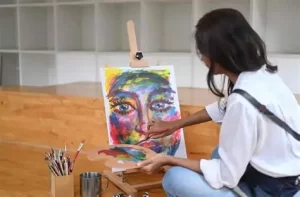 Mental health recovery is about more than managing symptoms. It is about helping individuals rediscover hope, rebuild confidence, and develop healthy ways to navigate life’s challenges. While evidence-based counseling and addiction treatment remain the foundation of effective care, creative expression has become an important part of holistic healing. Art, writing, music, and other creative activities encourage emotional growth, strengthen coping skills, and help individuals reconnect with themselves in meaningful ways. At Future Directions COS, personalized treatment recognizes that healing looks different for every individual, which is why creative approaches can play a valuable role alongside professional addiction recovery services and mental health treatment.

 Recovery from addiction and mental health challenges requires more than willpower or traditional therapy alone. It calls for a comprehensive approach that addresses emotional, psychological, and spiritual needs. Creative therapies have emerged as powerful tools in this process, helping individuals express what they cannot always say, manage stress, and rediscover a sense of purpose. At Future Directions COS, creativity is thoughtfully integrated into holistic, individualized treatment plans to support meaningful, lasting recovery.
 Recovery from addiction and mental health challenges can be stressful and overwhelming. The journey often requires more than traditional therapy to navigate emotional triggers, manage anxiety, and maintain long-term wellness. Creative practices such as art, music, and writing provide powerful tools to build resilience, process emotions, and strengthen coping skills. At Future Directions COS, we combine evidence-based treatment with holistic, client-centered approaches, integrating creative expression into individualized recovery programs to help clients transform stress into strength.
 Recovery from addiction and mental health challenges is a journey that involves more than therapy alone. While counseling and clinical treatment provide essential support, integrating creativity into recovery can help individuals process emotions, build resilience, and reconnect with themselves on a deeper level. At Future Directions COS, we combine evidence-based care with holistic, client-centered approaches, incorporating art, music, writing, and other creative outlets to support lasting healing.
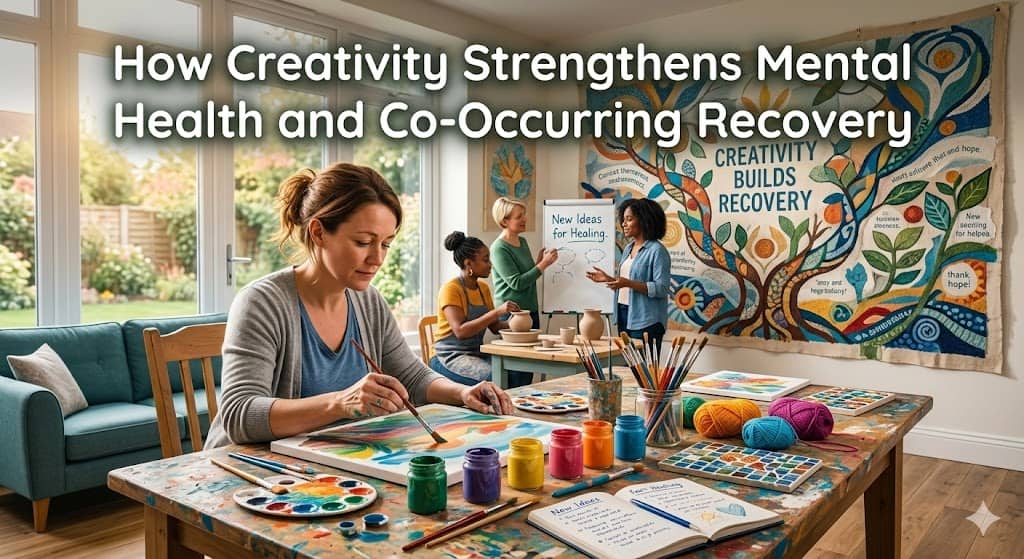 Recovery from addiction and mental health challenges often requires more than traditional counseling alone. While talk therapy remains an essential part of treatment, many individuals benefit from additional tools that help them process emotions, reduce stress, and reconnect with themselves in meaningful ways. Creative expression offers a powerful pathway for healing. Through art, music, writing, and other forms of expression, individuals can explore their experiences in ways that support emotional balance and long term recovery. At Future Directions COS, creativity is often incorporated into a holistic and individualized treatment approach that supports both addiction recovery and mental health care.
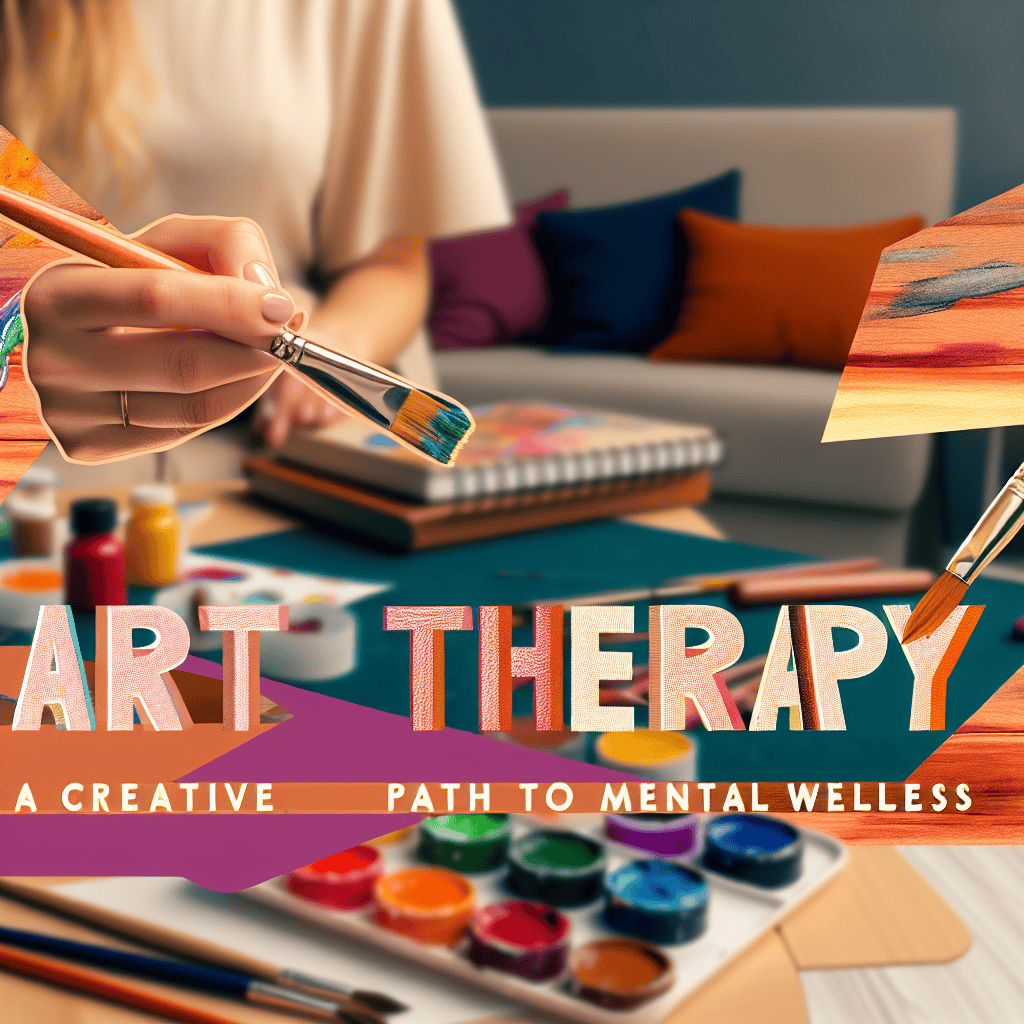 Recovery from addiction and mental health challenges is a journey that requires more than traditional therapy. While counseling and clinical treatment are essential, incorporating creative practices such as music, writing, and art can provide powerful tools for emotional processing, self-expression, and lasting healing. At Future Directions COS, we take a holistic, client-centered approach that integrates creative therapies with evidence-based treatment to support comprehensive recovery and mental wellness.