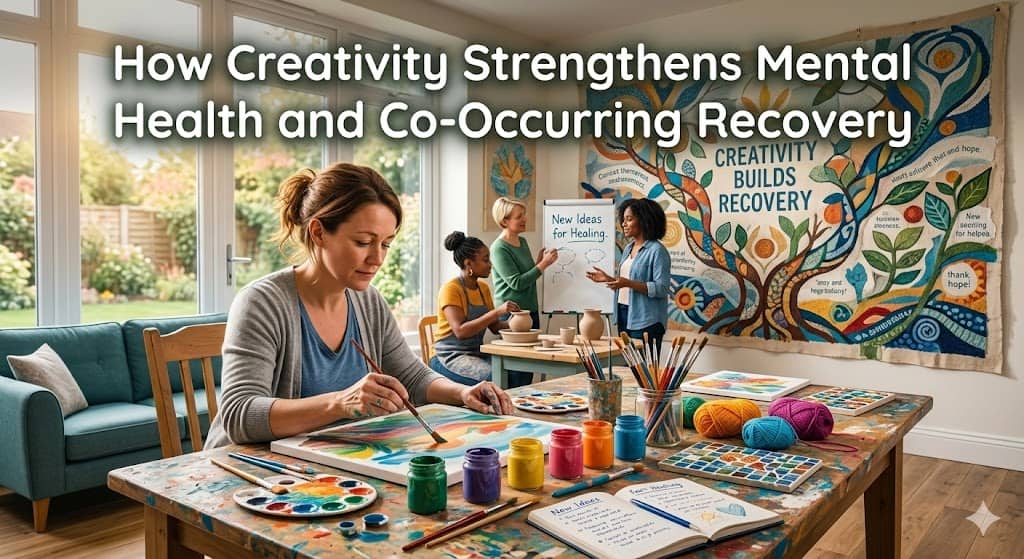
 Recovery from addiction and mental health challenges often requires more than traditional counseling alone. While talk therapy remains an essential part of treatment, many individuals benefit from additional tools that help them process emotions, reduce stress, and reconnect with themselves in meaningful ways. Creative expression offers a powerful pathway for healing. Through art, music, writing, and other forms of expression, individuals can explore their experiences in ways that support emotional balance and long term recovery. At Future Directions COS, creativity is often incorporated into a holistic and individualized treatment approach that supports both addiction recovery and mental health care.
Why Creativity Matters in Co-Occurring Recovery
Many people seeking treatment struggle with both substance use and mental health concerns. These are known as co-occurring disorders. Conditions such as depression, anxiety, trauma, or bipolar disorder often exist alongside addiction. Effective treatment must address both conditions together.
Creative expression supports this process by offering a different way to process emotions. Some experiences are difficult to describe in words. Art, music, and writing allow individuals to express complex feelings without pressure or judgment. This helps reduce emotional buildup, encourages reflection, and promotes greater self awareness.
Creative activities can also reduce stress and improve mood. Engaging in creative work stimulates the brain in ways that support emotional regulation and relaxation. For individuals in recovery, these benefits can help manage cravings, reduce anxiety, and strengthen healthy coping skills.
Creative Therapies in Addiction and Mental Health Treatment
Creative approaches are not meant to replace therapy. Instead, they strengthen traditional treatment by engaging the emotional and reflective parts of the healing process.
Art Therapy: Expressing What Words Cannot
Art therapy provides a visual way to explore thoughts and emotions. Painting, drawing, and sculpting allow individuals to express experiences that may be difficult to discuss directly. For someone recovering from addiction, art can reveal patterns of stress, trauma, or triggers that contribute to substance use.
Creating art also encourages mindfulness. When a person focuses on shapes, colors, or textures, the mind shifts away from worry and rumination. This moment of focus can help regulate emotions and create a sense of calm.
Within structured treatment programs, art therapy can be guided by trained professionals who help individuals interpret and reflect on what they create. This process often leads to deeper personal insight and emotional release.
Music Therapy: Reconnecting with Emotion
Music has a unique ability to reach emotions quickly and deeply. Whether someone is listening, composing, or participating in group music activities, sound can create powerful emotional experiences.
In recovery settings, music therapy may include listening exercises, rhythm work, songwriting, or group participation. These activities help individuals explore feelings, build confidence, and strengthen social connection.
Music can also become a healthy coping tool outside of therapy. Listening to calming music during stressful moments or engaging with meaningful songs can help regulate mood and reduce anxiety.
Writing and Journaling: A Tool for Reflection
Writing is another valuable creative outlet for recovery. Journaling helps individuals organize thoughts, track emotional patterns, and identify triggers that may lead to substance use.
Many people in recovery find that writing provides clarity. Putting thoughts on paper allows them to step back and examine their experiences from a healthier perspective. Writing can also reinforce lessons learned in therapy, helping individuals apply those insights in daily life.
Guided writing exercises may include gratitude journaling, personal reflection prompts, or writing letters to oneself about recovery goals and progress.
Creativity Within a Holistic Recovery Approach
Future Directions COS emphasizes a holistic approach to addiction recovery and mental health treatment. Healing often involves addressing the whole person, including emotional, psychological, and spiritual well being.
Creative practices can support this holistic perspective. Art, music, and writing encourage mindfulness and personal reflection. When appropriate, faith based elements may also be integrated into the healing process. Spiritual reflection, gratitude practices, and creative expression can help individuals reconnect with purpose and meaning in their lives.
This individualized approach allows each client to explore recovery in ways that feel authentic and supportive.
Practical Ways to Use Creativity in Recovery
Creative practices do not require professional training. Anyone can benefit from simple forms of expression that support emotional balance.
Some helpful ideas include:
-
Keeping a daily journal to reflect on emotions and recovery progress
-
Listening to music that encourages calmness or positive memories
-
Drawing or painting as a way to release stress
-
Writing poetry, reflections, or gratitude lists
-
Participating in group creative activities that build connection
These activities can become powerful tools during moments of stress or uncertainty. Over time, creative expression helps reinforce healthier coping habits and emotional resilience.
Expanding the Path to Healing
Recovery from addiction and co-occurring mental health conditions requires patience, support, and effective tools for managing life’s challenges. Creativity offers a meaningful way to strengthen emotional wellness while complementing traditional therapy.
Art, music, and writing allow individuals to process experiences, develop coping skills, and reconnect with their inner strengths. When integrated into a comprehensive treatment plan, these practices support lasting recovery and emotional balance.
Future Directions COS is committed to compassionate, individualized care that addresses the full complexity of addiction and mental health recovery. If you or someone you care about is seeking support, reaching out can be the first step toward healing. A thoughtful treatment program that combines clinical expertise with holistic support can help guide the path forward to lasting wellness.