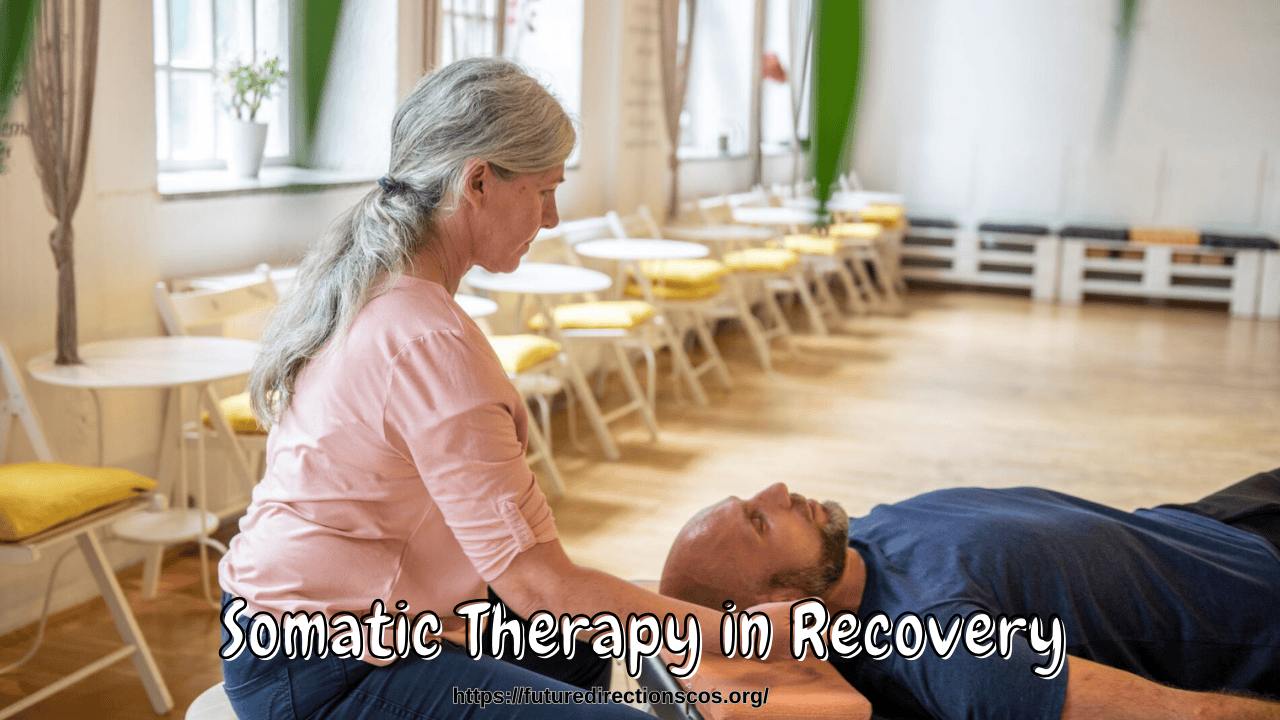
 Addiction recovery is a holistic journey that requires attention to the mind, body, and spirit. While traditional therapies provide essential support, integrating somatic therapy—focused on the connection between body and mind—can accelerate healing and improve emotional regulation. At Future Directions COS, we combine movement and mindfulness practices with evidence-based treatments to offer individualized, faith-informed, and compassionate care for those seeking lasting recovery.
Understanding Somatic Therapy in Recovery
Somatic therapy emphasizes how the body stores trauma, stress, and emotional pain. Addiction often arises from or compounds these experiences, leading to patterns of avoidance and emotional suppression. Somatic therapy helps clients reconnect with their bodies, notice sensations, and release tension safely. This embodied approach complements talk therapy by addressing the physiological aspects of recovery, promoting self-awareness, and supporting emotional resilience.
The Role of Movement in Healing
Dance and Movement Therapy
Physical expression through dance or guided movement allows individuals to release stored emotions and process difficult experiences. Movement therapy improves body awareness, reduces anxiety, and builds confidence. For those in recovery, engaging in movement provides a tangible way to navigate cravings, manage stress, and strengthen the mind-body connection.
Yoga and Mindful Exercise
Yoga combines physical postures, breathing techniques, and meditation to cultivate mindfulness and relaxation. Regular practice has been shown to reduce stress, enhance emotional regulation, and improve overall well-being. By integrating yoga into addiction treatment, clients develop tools to manage triggers and remain grounded in their recovery journey.
Mindfulness Practices to Support Recovery
Mindfulness teaches clients to observe thoughts, feelings, and bodily sensations without judgment. Techniques such as guided meditation, breathwork, and body scans help reduce impulsive behavior, increase emotional clarity, and promote mental focus. Mindfulness can be paired with movement-based therapies to deepen the mind-body connection and reinforce coping strategies during moments of craving or stress.
Incorporating Faith and Spirituality
At Future Directions COS, we integrate faith-based practices with somatic therapy when appropriate. Prayer, contemplative reflection, and spiritually inspired mindfulness provide additional grounding, offering clients a sense of purpose and hope throughout their recovery. These practices help clients align their physical, emotional, and spiritual growth.
Benefits of Somatic Therapy in Addiction Treatment
-
Strengthens awareness of physical and emotional triggers
-
Reduces anxiety, stress, and tension in the body
-
Encourages healthy expression of emotions
-
Supports long-term resilience and relapse prevention
-
Enhances connection with self, others, and spirituality
Practical Tips for Clients
-
Begin with short daily mindfulness exercises or gentle stretches
-
Explore movement-based activities that feel safe and enjoyable
-
Pair somatic practices with journaling to process experiences
-
Attend group sessions to build community and accountability
Embodying Recovery for Lasting Change
Movement and mindfulness are powerful tools that complement traditional addiction treatment. By integrating somatic therapy into recovery, clients at Future Directions COS strengthen their mind-body connection, release stored trauma, and build the resilience necessary for long-term sobriety.
If you or a loved one are seeking a compassionate, holistic, and personalized approach to addiction recovery, reach out to Future Directions COS today. Together, we can guide your journey toward healing, self-discovery, and a more balanced life.